
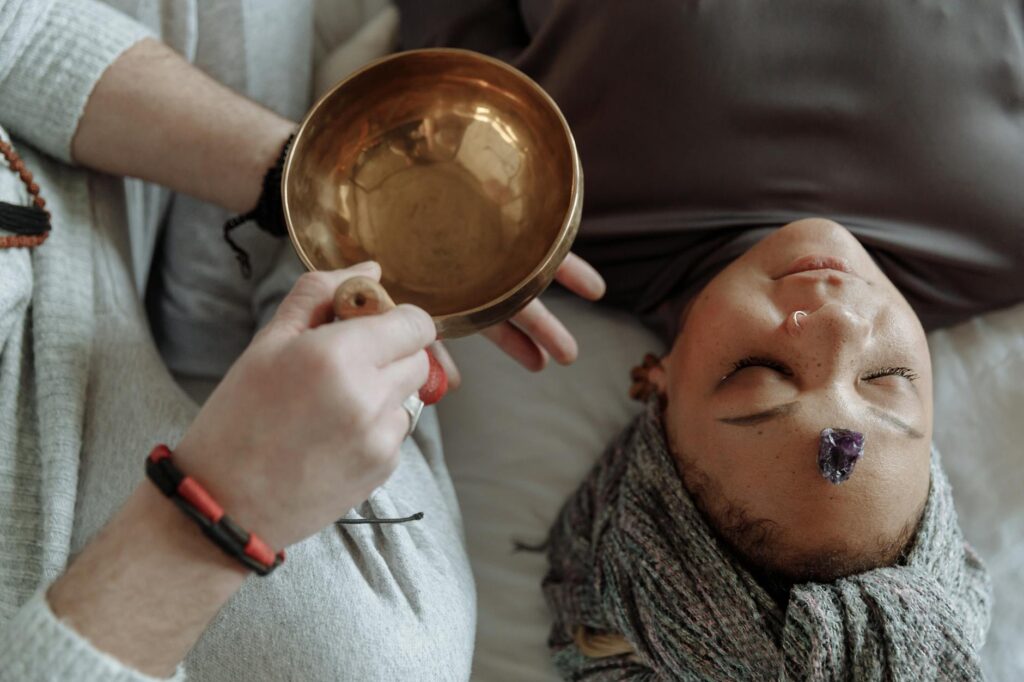
Have you ever felt like you’re trying to fix one problem, only for another to pop up? It’s like playing whack-a-mole with your well-being. This is where understanding the concept of holisticke can truly change your perspective. It’s not about quick fixes; it’s about seeing the bigger picture and tending to your whole self – mind, body, and spirit – as one interconnected system. Think of it as tending to your garden: you don’t just water one plant; you ensure the soil is healthy, the sunlight is right, and all the plants are thriving together. (Source: National Center for Complementary and Integrative Health – NCCIH)
This guide is for you, the beginner, who’s heard the term but isn’t quite sure what it means or how to start. We’ll break it down simply, with practical tips you can use today.
Latest Update (April 2026)
As of April 2026, the conversation around holistic health continues to evolve, with increasing emphasis on personalized wellness plans and the integration of digital tools. Recent reports from organizations like the Global Wellness Institute highlight a growing consumer demand for approaches that address mental and emotional well-being alongside physical health. The holisticke philosophy is at the forefront of this movement, recognizing that true vitality stems from a balanced integration of all life aspects. Experts now advocate for proactive, preventative health strategies that empower individuals to take ownership of their well-being through informed choices and consistent practice.
Furthermore, advancements in wearable technology and health tracking apps are making it easier than ever to monitor various aspects of one’s health, from sleep patterns to stress levels. This data can provide valuable insights for individuals pursuing a holisticke lifestyle, allowing for more targeted interventions and a clearer understanding of how different lifestyle choices impact overall health. The integration of these technologies with traditional wellness practices is a key development in the holisticke field for 2026.
What Exactly is Holisticke?
At its core, holisticke refers to a comprehensive way of understanding and addressing health and well-being. It’s a philosophy that views health not merely as the absence of disease, but as a dynamic state of optimal functioning across all dimensions of a person’s life. These dimensions include the physical, mental, emotional, social, and spiritual. The fundamental principle of holisticke is that these aspects are not independent entities but are deeply interconnected and constantly influence one another.
Imagine a complex ecosystem. If one part of the ecosystem is disrupted, it can have ripple effects throughout the entire system. Similarly, in the holisticke model, an imbalance in one area—such as chronic stress (mental/emotional)—can manifest as physical symptoms like fatigue or digestive issues. Conversely, physical ailments can profoundly affect one’s mood and outlook. The holisticke approach seeks to identify and address these interconnected imbalances to foster overall harmony, resilience, and vitality.
It is important to note that while the term ‘holistic’ is widely recognized, for the purposes of this guide, ‘holisticke’ is the specific keyword focus. We aim to explore this concept with a particular emphasis on practical application and understanding.
Why Embrace a Holisticke Approach?
Embracing a holisticke approach offers the potential for more profound, sustainable, and integrated well-being. Unlike conventional methods that often focus on treating specific symptoms, the holisticke philosophy aims to uncover and address the underlying root causes of imbalance. By paying attention to the interplay between your thoughts, emotions, relationships, environment, physical sensations, and spiritual connection, you gain a much deeper and more nuanced understanding of yourself.
This deeper self-awareness cultivates greater resilience in the face of challenges, enhances overall energy levels, and fosters a more profound sense of inner peace and contentment. It is an empowering paradigm that encourages individuals to take an active, informed role in their health journey. By making conscious choices that support the entirety of their being, individuals can move beyond simply managing illness to actively cultivating vibrant health. For instance, prioritizing adequate sleep (physical foundation) and incorporating stress-reduction techniques like daily meditation (mental/emotional support) can significantly boost cognitive function and emotional stability, demonstrating a clear holisticke benefit.
The Holisticke Mind-Body Connection
One of the most significant pillars of holisticke thinking is the undeniable and intricate connection between the mind and the body. What you think, feel, and believe directly impacts your physiological state, and in turn, your physical condition influences your mental and emotional landscape. Stress provides a prime example: it is not merely a psychological experience but triggers tangible physiological responses such as elevated heart rate, muscle tension, and hormonal changes. The National Institutes of Health (NIH) extensively documents the mind-body connection, highlighting how psychological stress can impact immune function and increase the risk of various health conditions.
Conversely, persistent physical pain can lead to significant emotional distress, including anxiety and depression. Recognizing this profound holisticke link is essential for effective well-being management. It underscores the fact that practices aimed at nurturing the mind, such as mindfulness meditation, cognitive behavioral therapy (CBT), or expressive journaling, can yield substantial benefits for physical health. Similarly, engaging in physical activities like yoga, tai chi, or even brisk walking can profoundly enhance mental clarity, reduce anxiety, and improve mood. The holisticke approach honors and actively works with this bidirectional relationship.
“The body achieves what the mind believes.” – Napoleon Hill
This widely cited quote encapsulates a core tenet of holisticke philosophy: the immense power of our mental and emotional states to influence our physical capabilities and overall health outcomes. It serves as a constant reminder of the integrated nature of our being.
Practical Holisticke Tips for Beginners
Initiating a holisticke lifestyle does not necessitate radical overhauls or drastic changes. It is a journey that begins with small, consistent, and mindful steps. By integrating simple practices into your daily routine, you can begin to cultivate a more balanced and holistic sense of well-being.
- Mindful Moments: Dedicate 1 to 5 minutes each day to focus solely on your breath. Observe the natural rhythm of inhalation and exhalation. This simple practice, even for a short duration, anchors you in the present moment, connects your mind and body, and offers immediate stress reduction.
- Nourish Your Body Wisely: Beyond simply adhering to a healthy diet, pay close attention to how different foods make you feel. Do they energize you, or do they leave you feeling sluggish? Prioritize whole, unprocessed foods that provide sustained vitality and support your body’s intricate systems. Consider consulting with a registered dietitian for personalized guidance.
- Move with Intention: Discover physical activities that genuinely bring you joy and feel good for your body. This could range from walking in nature, dancing, practicing yoga or Pilates, engaging in strength training, or even gardening. The objective is to move your body in a manner that promotes circulation, releases tension, and enhances overall well-being, rather than solely focusing on calorie expenditure.
- Prioritize Quality Sleep: Aim for 7 to 9 hours of uninterrupted, high-quality sleep each night. Establish a consistent, relaxing bedtime routine that signals to your body it’s time to wind down. Quality sleep is the bedrock for physical repair, cognitive function, emotional regulation, and immune system strength.
- Cultivate Social Connections: Nurture your social well-being by investing time in supportive and meaningful relationships. Spend quality time with friends, family, or community groups who uplift and encourage you. Strong social bonds are intrinsically linked to emotional health and resilience.
- Engage in Journaling: Set aside a few minutes daily or weekly to write down your thoughts, feelings, and experiences. Journaling serves as a powerful tool for emotional processing, self-reflection, gaining clarity on stressors or sources of joy, and tracking personal growth.
- Practice Gratitude: Regularly acknowledge and appreciate the good things in your life, no matter how small. Keeping a gratitude journal or simply taking a moment each day to reflect on things you are thankful for can significantly shift your perspective towards positivity and contentment.
- Connect with Nature: Spend time outdoors, whether it’s a walk in a park, sitting by a lake, or simply enjoying your backyard. Exposure to nature has been shown to reduce stress, improve mood, and enhance overall mental clarity.
Holisticke vs. Traditional Approaches
Traditional Western medicine often adopts a reductionist approach, focusing on diagnosing and treating specific diseases or symptoms, frequently by targeting the affected part of the body. While highly effective for acute conditions and emergencies, this model can sometimes overlook the interconnectedness of a person’s overall health. For instance, a doctor might prescribe medication for high blood pressure without deeply exploring the lifestyle factors—such as chronic stress, poor diet, or lack of sleep—that may be contributing to the condition.
The holisticke approach, in contrast, views the individual as an integrated whole. Instead of treating a symptom in isolation, it seeks to understand how various factors—physical, mental, emotional, environmental, and social—contribute to the health issue. This doesn’t mean abandoning conventional medicine; rather, it involves complementing it. A holisticke practitioner might work alongside a medical doctor, incorporating therapies like nutritional counseling, stress management techniques, or mindfulness practices to support the body’s natural healing abilities and address the root causes of illness. According to the National Center for Complementary and Integrative Health (NCCIH), complementary health approaches are used together with conventional medical treatments, and can be an important part of a holisticke strategy.
Common Holisticke Mistakes to Avoid
As individuals begin their holisticke journey, certain common missteps can hinder progress. Being aware of these pitfalls can help you navigate the path more effectively.
- Focusing Too Narrowly: One of the biggest mistakes is focusing solely on one aspect, like diet, while ignoring mental or emotional well-being. True holisticke practice requires attention to all dimensions.
- Seeking Quick Fixes: The holisticke approach is about sustainable, long-term well-being, not instant results. Avoid the temptation to jump from one fad diet or wellness trend to another without consistent application.
- Ignoring Professional Guidance: While self-care is paramount, don’t hesitate to seek advice from qualified professionals. This could include doctors, therapists, registered dietitians, or certified wellness coaches who understand the holisticke framework. Relying solely on anecdotal advice can be detrimental.
- Overwhelm and All-or-Nothing Thinking: Trying to implement too many changes at once can lead to feeling overwhelmed and giving up. Remember that progress is gradual, and perfection is not the goal. Small, consistent steps are far more effective than sporadic, grand gestures.
- Neglecting the Spiritual Dimension: For many, a sense of purpose, connection to something larger than oneself, or inner peace is a vital component of well-being. Neglecting this aspect can leave a significant void in a holisticke approach.
Frequently Asked Questions
What is the primary goal of a holisticke approach?
The primary goal of a holisticke approach is to promote overall well-being and vitality by addressing the interconnectedness of the physical, mental, emotional, social, and spiritual aspects of an individual. It aims to achieve balance and harmony across all these dimensions, rather than just treating isolated symptoms or diseases.
Can holisticke practices replace conventional medical treatment?
Holisticke practices are generally intended to complement, not replace, conventional medical treatment. They focus on supporting the body’s natural healing processes and addressing lifestyle factors that contribute to health. For serious medical conditions, it is essential to consult with qualified healthcare professionals and follow their recommended treatment plans. Organizations like the NCCIH provide resources on how complementary health approaches can be used alongside conventional care.
How can I start incorporating holisticke principles into my busy life?
Start small and be consistent. Begin with one or two simple practices, such as 5 minutes of daily mindfulness, incorporating more whole foods into your meals, or ensuring you get adequate sleep. Focus on integrating these habits gradually rather than attempting a complete overhaul. Prioritize activities that bring you joy and reduce stress. Remember that even small steps contribute to overall well-being.
What role does nutrition play in a holisticke approach?
Nutrition is a fundamental component of holisticke health. It’s not just about consuming nutrients but also about understanding how food affects your energy levels, mood, and overall physical function. A holisticke perspective emphasizes whole, unprocessed foods that nourish the body and mind, supporting optimal functioning across all systems. It encourages mindful eating and paying attention to how different foods impact your individual well-being.
Is there scientific evidence supporting holisticke approaches?
Yes, there is a growing body of scientific evidence supporting various aspects of holisticke approaches. Research from institutions like the NIH and numerous peer-reviewed journals validates the mind-body connection, the benefits of mindfulness and meditation for stress reduction and physical health, the impact of nutrition on mental well-being, and the importance of social connections for overall health. While the term ‘holisticke’ itself may not always be the subject of direct study, the individual components it encompasses are well-researched and supported by scientific findings.
Conclusion
Embarking on a holisticke journey is an invitation to a more integrated, balanced, and vibrant way of living. It’s about recognizing that your well-being is a holistic tapestry woven from threads of physical health, mental clarity, emotional resilience, social connection, and spiritual fulfillment. By taking small, consistent steps—practicing mindfulness, nourishing your body wisely, moving with intention, prioritizing rest, and nurturing your relationships—you empower yourself to cultivate lasting health and happiness. Embrace the process, be patient with yourself, and discover the profound benefits of tending to your whole self.