
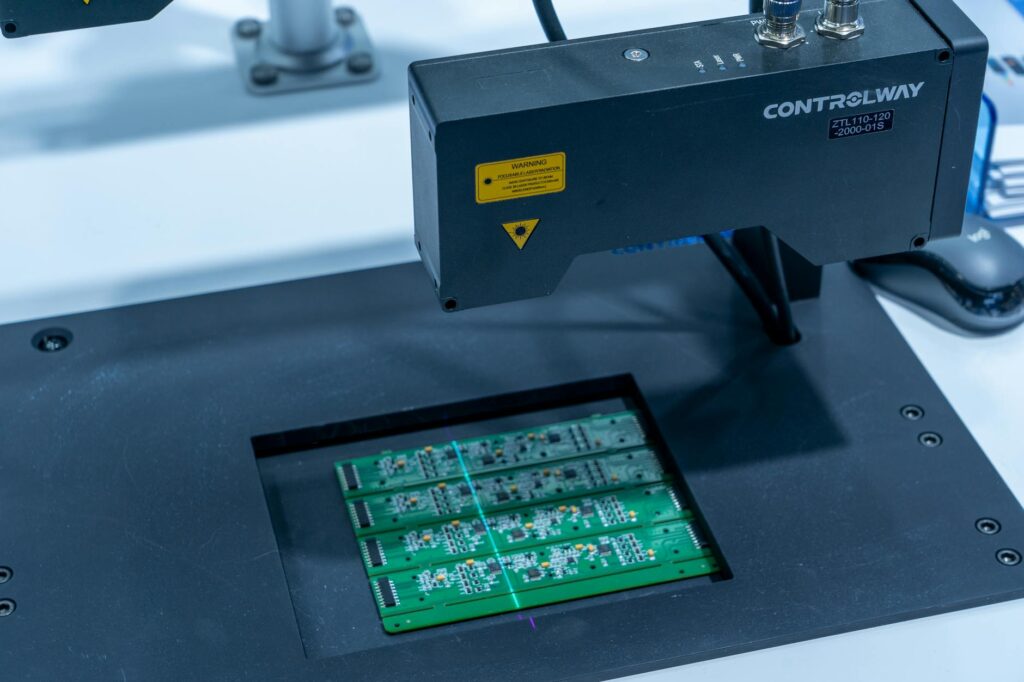
Remote Visual Inspection for Electronics in Hard-to-Reach Spaces: A UK & EU Guide
When it comes to diagnosing issues or ensuring quality in complex electronic assemblies, especially within the tight confines typical in UK and European manufacturing, visual inspection is paramount. Finding the best remote visual inspection solutions for electronics hard-to-reach spaces is crucial for efficiency and accuracy. These advanced tools allow engineers and technicians to see inside casings, circuit boards, and intricate machinery without disassembly, saving time and preventing potential damage. This guide explores effective solutions tailored for professionals across the UK and EU.
Table of Contents
- What Are Remote Visual Inspection Solutions for Electronics?
- Why Are They Essential for Electronics in Tight Spaces?
- What Types of Remote Inspection Tools Are Best?
- What Key Features Should You Look For in a Solution?
- Applying Solutions in UK/EU Contexts: Practical Tips
- Troubleshooting Common Inspection Challenges
- Future Trends in Visual Inspection for Electronics
- Frequently Asked Questions
What Are Remote Visual Inspection Solutions for Electronics?
Remote visual inspection (RVI) solutions for electronics are specialised tools designed to provide visual access to internal components or areas that are physically inaccessible without dismantling equipment. They typically involve a camera, often on a flexible or semi-rigid probe, connected to a display unit, allowing for detailed examination of circuit boards, connectors, internal wiring, and other delicate electronic parts.
Why Are They Essential for Electronics in Tight Spaces?
For electronics, especially in compact designs prevalent in European consumer electronics and automotive sectors, visual inspection is critical for quality control, fault diagnosis, and maintenance. These tools are essential because they enable non-destructive examination, significantly reducing the time and cost associated with manual disassembly and reassembly. They allow for early detection of defects like faulty solder joints, cracked components, or debris ingress, which could otherwise lead to system failure.
🎬 Related Video
📹 best remote visual inspection solutions for electronics hard-to-reach spaces — Watch on YouTube
What Types of Remote Inspection Tools Are Best?
Several types of RVI tools are particularly effective for electronic components. The choice often depends on the specific application, the size of the space, and the required level of detail.
1. Video Borescopes and Endoscopes
These are perhaps the most common RVI tools. They feature a small, high-resolution camera at the tip of a flexible or articulating probe, often equipped with LED lights. Articulating borescopes, controlled by a joystick, are excellent for navigating complex internal geometries within electronic enclosures or machinery. Brands like Olympus (now Evident Scientific) and Mitutoyo offer high-quality industrial borescopes that can be adapted for electronic inspections.
2. Micro-Inspection Cameras
For extremely fine details, such as on densely packed printed circuit boards (PCBs) or micro-connectors, micro-inspection cameras are invaluable. These often resemble digital microscopes but allow for remote viewing and recording. Some models can be attached to robotic arms or used with specialised stands for stable, high-magnification viewing. Companies like Teslong and DEPSTECH offer a range of affordable USB and WiFi enabled micro-inspection cameras suitable for many electronic applications.
3. Flexible Gooseneck Cameras
Simpler than borescopes, these cameras are mounted on a flexible gooseneck arm, making them ideal for inspecting larger but still hard-to-reach internal areas where precise articulation isn’t critical. They are often more budget-friendly and suitable for general quality checks within casings.
4. Wireless Inspection Cameras
These cameras connect wirelessly (often via Wi-Fi) to a smartphone or tablet, offering convenience and mobility. They are excellent for quick checks and for technicians who need to move around a facility or inspect multiple devices without being tethered by cables. Many consumer-grade options are available, but industrial-grade models offer better durability and image quality.
- Non-destructive testing
- Saves time and labour costs
- Enhances safety by reducing need for disassembly
- Improves diagnostic accuracy
- Facilitates remote collaboration via video recording
- Initial cost can be high for advanced models
- Image quality can be limited in very dark or dusty environments
- Requires user training for optimal use
- Probe size may still be too large for extremely confined spaces
What Key Features Should You Look For in a Solution?
When selecting the best remote visual inspection solutions for electronics in hard-to-reach spaces, consider these critical features:
- Camera Resolution and Sensor Quality: Higher resolution (HD, Full HD, or 4K) provides clearer images, essential for spotting minute defects. Look for good low-light performance.
- Probe Diameter and Flexibility: The probe must be small enough to fit into the target space. Flexibility is key, but semi-rigid probes offer better control in some situations. Articulating heads (2-way, 4-way) are invaluable for complex geometries.
- Illumination: Integrated LED lights are standard, but adjustable brightness and colour temperature can significantly improve visibility.
- Magnification: Optical and digital zoom capabilities help in examining fine details.
- Display Unit: A clear, bright screen is essential. Touchscreen interfaces can improve usability.
- Recording Capabilities: The ability to capture still images and video is vital for documentation, reporting, and analysis.
- Durability and IP Rating: For industrial environments, a rugged build and an appropriate Ingress Protection (IP) rating against dust and water are important.
- Connectivity: Wi-Fi, Bluetooth, or USB connectivity for transferring data or streaming to external devices.
Applying Solutions in UK/EU Contexts: Practical Tips
Operating within the UK and EU often means adhering to strict quality standards, such as those set by the British Standards Institution (BSI) or European equivalents. Implementing RVI effectively requires a strategic approach.
1. Define Your Inspection Goals: Are you checking for solder defects on a new production line, diagnosing a failure in a deployed system, or performing preventative maintenance? Your goal dictates the required tool specifications. For instance, inspecting conformal coating on PCBs might require specific lighting conditions to reveal inconsistencies.
2. Understand Component Sensitivity: Electronic components can be sensitive to static discharge. Ensure any RVI tool used is ESD-safe or handled according to best practices to avoid damaging the very components you are inspecting. This is a common mistake many technicians make.
3. Leverage Recording for Compliance: In regulated industries like aerospace or medical devices (common in Germany and Ireland), detailed visual records are often mandatory for compliance. Use your RVI tool’s recording features extensively and store footage securely. The ability to share live feeds with remote experts, a feature common in higher-end systems from companies like Fixturlaser (known for their alignment tools, but also offering inspection devices), can be invaluable for collaborative problem-solving.
[IMAGE alt=”Close-up of a remote visual inspection probe examining an electronic circuit board” caption=”Detailed examination of an electronic circuit board using a high-resolution remote visual inspection probe.”]
4. Consider Environmental Factors: Are you inspecting in a cleanroom, a dusty factory floor, or a damp environment? Select tools with appropriate environmental resistance. For example, inspecting inside power supply units might expose the probe to heat, requiring a tool rated for higher temperatures.
Troubleshooting Common Inspection Challenges
Even with the best tools, challenges can arise. Here’s how to tackle them:
- Poor Lighting: Use higher intensity LEDs, adjust brightness, or use supplementary lighting if possible. Some advanced probes offer variable focal lengths to get closer without obstruction.
- Obstructions: For complex internal layouts, an articulating probe is often the only solution. In some cases, minor disassembly may still be required to gain better access.
- Surface Reflections: Polarising filters on the camera lens can help reduce glare from shiny surfaces, revealing underlying details more clearly.
- Dust and Debris: If the environment is very dusty, consider using compressed air to blow away loose debris before inspection, or select probes with higher IP ratings and cleaning capabilities.
The global market for visual inspection equipment in electronics is projected to grow significantly, driven by increasing miniaturisation of components and demand for higher quality standards. Industry reports suggest a compound annual growth rate (CAGR) of over 6% in the coming years. (Source: Market Research Future, 2023)
Future Trends in Visual Inspection for Electronics
The field of remote visual inspection is constantly evolving. We can expect to see further integration of artificial intelligence (AI) for automated defect detection and analysis, miniaturisation of probes to unprecedented levels, and enhanced augmented reality (AR) overlays to guide technicians during inspections. The development of more strong, wireless, and higher-resolution inspection devices will continue to make them indispensable in the electronics industry across Europe and beyond.
For instance, tools are emerging that combine visual inspection with other sensor data, offering a more comprehensive diagnostic picture. The drive towards Industry 4.0 and smart manufacturing means these inspection solutions will become even more interconnected and data-driven.
[IMAGE alt=”Technician using a tablet to view feed from a wireless inspection camera inside electronic equipment” caption=”Wireless inspection cameras offer flexibility and ease of use for remote diagnostics.”]
Frequently Asked Questions
What is the smallest diameter inspection camera available for electronics?
Some specialised micro-borescopes and endoscopes for electronics can have diameters as small as 1-2mm, allowing access into extremely confined spaces like micro-connectors or tiny internal pathways. Finding these often requires looking at high-end industrial suppliers.
Can I use a standard USB endoscope for PCB inspection?
Yes, many affordable USB endoscopes are suitable for basic PCB inspection, especially for larger components or external connections. However, for high-precision work on densely populated boards, industrial-grade micro-inspection cameras or borescopes with higher resolution and better optics are recommended.
How do I prevent damage to electronics when using an inspection probe?
Always ensure the probe is clean and free of debris. Handle the probe gently, avoiding excessive force. Be mindful of static discharge (ESD) by using anti-static precautions. Never force the probe into a space; if it doesn’t fit easily, reconsider your approach or tool.
What is the difference between a borescope and an endoscope for electronics?
While often used interchangeably, ‘borescope’ traditionally refers to rigid or semi-rigid optical tubes, whereas ‘endoscope’ typically implies a flexible tube. In modern RVI for electronics, both terms are used for cameras on flexible or articulating probes. The key is the camera and illumination at the tip for remote viewing.
Are there AI-powered remote visual inspection solutions for electronics?
Yes, AI is increasingly being integrated. AI algorithms can assist in automatically identifying defects, such as cracks, voids, or foreign objects, on the captured images or video streams, significantly speeding up the inspection process and improving consistency.
Get the Best Remote Visual Inspection Solutions
Selecting the right remote visual inspection solutions for electronics in hard-to-reach spaces is vital for maintaining high standards in manufacturing, maintenance, and repair. By understanding the available tools, their features, and practical application tips relevant to the UK and EU markets, you can significantly enhance your diagnostic capabilities and ensure the quality and longevity of electronic devices. Invest wisely in the right technology to see what matters most, even in the tightest spots.