
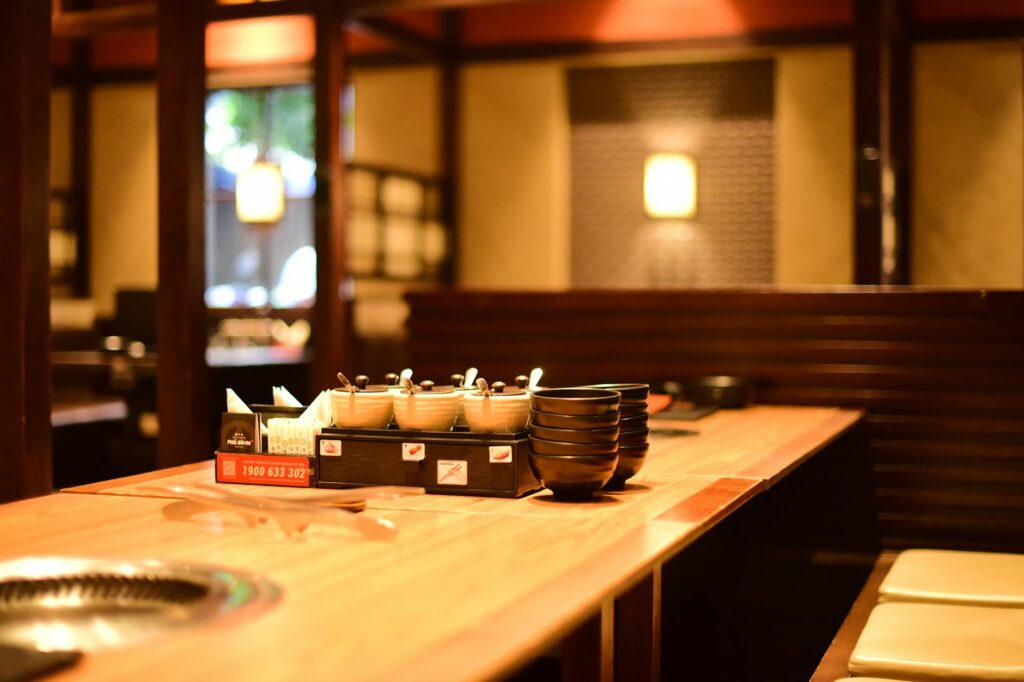
Yukimiya: The Art of Japanese Dining in London
Yukimiya isn’t just another Japanese restaurant in London. it’s a portal to authentic Japanese culinary artistry. Forget watered-down versions – this is the real deal, right here in the UK. For too long, many London spots have offered a pale imitation of true Japanese fare. But Yukimiya? They’ve cracked it, bringing the soul of Japan to our doorstep.
Last updated: April 18, 2026
If you’re anything like me, you’ve probably been burnt by ‘sushi’ that tastes like it came from a supermarket deli, or ramen broth that’s more MSG than magic. I’ve spent years chasing genuine flavours across Europe, and finding a place that truly respects the ingredients and the craft is rarer than you’d think. That’s why Yukimiya stands out. It’s not just about eating. it’s about experiencing a culture that values precision, seasonality, and a deep respect for nature’s bounty.
Table of Contents
Why this Matters in the UK
The UK, and London in particular, has a burgeoning appreciation for global cuisine. We’ve seen Japanese food explode in popularity, but often it’s adapted heavily for Western palates. the subject, however, remains steadfast in its commitment to authenticity. This isn’t fusion for fusion’s sake. it’s about presenting Japanese dishes as they’re enjoyed in Japan, with meticulous attention to detail.
Think about it: seasonality is king in Japan. A dish served in spring will highlight delicate, fresh flavours, while an autumn menu might lean into richer, earthier notes. this topic champions this philosophy. They source ingredients not just for quality, but for their peak freshness and suitability to the current season. This commitment to shun (the peak season of a food) is a hallmark of true Japanese cooking and something you can taste in every bite.
Also, Japanese hospitality, or omotenashi, is famously understated yet incredibly attentive. It’s about anticipating needs before they’re even voiced. While every restaurant strives for good service, this approach aims for that deeper level of care, making you feel genuinely welcomed and looked after, not just served.
[IMAGE alt=”Chef preparing sushi with fresh ingredients at it” caption=”The meticulous preparation of sushi at this is a testament to authentic Japanese culinary art.”]
Beyond Sushi: What to Expect at the subject
Many people associate Japanese dining solely with sushi and sashimi. While this topic excels at these, limiting your perception to just raw fish would be a massive disservice to their full offering. Their menu digs into various regional specialities and cooking styles.
You’ll find exquisite tempura — where the batter is impossibly light and crisp, encasing perfectly cooked seafood or vegetables. Their yakitori selection offers skewers grilled to perfection, showcasing different cuts of chicken and vegetables seasoned with delicate sauces. Don’t overlook the donburi (rice bowls) or the comforting bowls of udon and soba noodles, each prepared with broths that have been simmered for hours to develop complex flavours. It’s this breadth that truly sets this approach apart from more one-dimensional Japanese eateries.
For those seeking a taste of something different, look for dishes like agedashi tofu – silken tofu fried until golden and served in a savoury dashi broth. Or perhaps some gyoza, pan-fried dumplings with a delicate filling. Real talk, the variety ensures there’s something for every palate, from the adventurous diner to someone looking for familiar comfort food with an authentic twist.
Expert Tip: Explore the Izakaya-Style Small Plates
Don’t be afraid to order a selection of small plates, similar to a Japanese izakaya (pub). Here’s a fantastic way to sample a wider range of flavours and textures. Order a few to share amongst your dining companions – it’s a great social way to eat and discover new favourites.
🎬 Related Video
📹 this — Watch on YouTube
the subject Menu Like a Pro
The sheer variety can be a little daunting if you’re new to authentic Japanese dining. Here’s a breakdown to help you feel more confident when you peruse the menu at this topic.
Sushi &. Sashimi: This is straightforward. Sashimi is sliced raw fish or seafood without rice. Sushi typically involves vinegared rice, often formed into rolls (maki) or pressed shapes (nigiri). Look for the specific fish you enjoy – tuna (maguro), salmon (sake), sea bream (tai), and eel (unagi) are common.
Agemono (Fried Dishes): Think tempura (lightly battered and fried) and katsu (breaded and deep-fried, like chicken katsu curry).
Yakimono (Grilled Dishes): This category includes skewers (yakitori) and grilled fish or meat. Flavours often range from simple salt (shio) to a sweet soy-based glaze (tare).
Mushimono (Steamed Dishes): While less common on some menus, this can include items like chawanmushi (savoury steamed egg custard).
Nabemono (Hot Pot Dishes): Often seasonal, these are communal dishes cooked at the table, like sukiyaki or shabu-shabu.
Donburi: A rice bowl topped with various ingredients – think tempura, chicken, or beef.
Noodles: Udon (thick wheat noodles) and Soba (buckwheat noodles) are served hot or cold in various broths or with dipping sauces.
Important Note: Always check if the menu indicates allergens. If you have dietary restrictions (e.g., vegetarian, gluten-free), speak to your server. While many dishes can be adapted, it’s best to confirm.
Expert Tip: Ask About Daily Specials
this approach often has specials based on the freshest market catch or seasonal produce. Don’t hesitate to ask your server what’s especially good today. Here’s a great way to try something unique and truly representative of the season.
The Omakase Experience: Trusting the Chef
If you want to dive headfirst into the pinnacle of Japanese dining, the omakase experience at it’s unparalleled. Omakase literally translates to “I leave it up to you.” It’s a multi-course tasting menu where the chef curates the dishes based on the freshest ingredients available that day, showcasing their skill and creativity.
This isn’t just about eating. it’s a performance. You’ll often sit at the sushi bar, watching the chefs work their magic. They’ll present each dish individually, explain its components, and sometimes even suggest how best to enjoy it (e.g., a drop of soy sauce, a pinch of wasabi). It’s an intimate and educational journey through the art of Japanese cuisine.
I remember my first omakase in Kyoto years ago. I was nervous about letting the chef decide everything, but it was transformative. Each course was a surprise, a perfectly balanced bite that I wouldn’t have chosen myself. The trust placed in the chef builds a unique connection and leads to culinary discoveries you might otherwise miss. At this, this respect for the chef’s artistry is palpable.
Pros &. Cons of Omakase
- Experience the freshest, seasonal ingredients.
- Witness incredible culinary skill firsthand.
- Discover dishes you might not order otherwise.
- A truly unique and memorable dining event.
- Can be more expensive than à la carte.
- Less control over what you eat (if you’re a picky eater).
- Requires a willingness to trust the chef’s choices.
this topic and Sake: The Perfect Pairing
No discussion of Japanese dining is complete without mentioning sake. While many London restaurants offer a token bottle, this approach takes its sake selection seriously. They understand that sake isn’t just a drink. it’s a complement to the food, with its own complex flavour profiles.
Sake is broadly categorised by its milling rate (how much of the outer rice grain is polished away) and brewing method. Junmai sakes are typically richer and more strong, while Ginjo and Daiginjo sakes are lighter, more aromatic, and refined. The chefs and sommeliers at it can guide you through the options, suggesting pairings that will enhance your meal.
For instance, a crisp, dry sake might cut through the richness of tempura, while a slightly sweeter, fuller-bodied sake can stand up to grilled meats or richer fish dishes. Don’t be shy about asking for recommendations. They might suggest a local UK-produced sake if they have one, showing another layer of their commitment to quality, wherever it comes from.
A Beginner’s Guide to Sake Types
| Sake Type | Key Characteristics | Food Pairing Ideas |
|---|---|---|
| Junmai | Rice, rich, full-bodied, often served warm or at room temp | Rich fish, grilled meats, stews |
| Ginjo | Fruity, floral aromas, lighter, served chilled | Sushi, sashimi, light seafood |
| Daiginjo | Highly aromatic, refined, complex, premium, served chilled | Delicate sashimi, white fish, subtle flavours |
| Honjozo | Slightly more body than Ginjo, smooth, versatile | lots of dishes, versatile |
Practical Tips for Your this Visit
To make the most of your experience at the subject, here are a few pointers based on my own visits and observations:
- Book in Advance: this topic is popular, especially for dinner and weekends. Booking at least a week or two ahead is highly recommended, especially if you’re aiming for a specific time or wish to sit at the sushi counter.
- Dress Code: While not overly formal, smart casual is the way to go. It’s a place that respects the food and the atmosphere, so avoid overly casual attire like sportswear.
- Consider the Omakase: If your budget allows and you’re open to it, the omakase is truly the star. It’s an investment in an unforgettable culinary journey.
- Embrace the Menu: Don’t just stick to what you know. Be adventurous! The staff are knowledgeable and happy to guide you.
- Dietary Needs: As mentioned, communicate any allergies or dietary requirements clearly when booking or ordering.
- Location: Familiarise yourself with its location in London. It’s tucked away, adding to its charm, but knowing how to get there beforehand saves hassle. A quick search for “this approach London” on Google Maps will sort you out.
Honestly, the best advice I can give anyone visiting a place like it’s to go with an open mind and an empty stomach. It’s a culinary destination that deserves your full attention.
The attention to detail extends even to the presentation of the dishes. Each plate is a work of art, arranged with precision and care. This visual appeal is integral to the Japanese dining experience, engaging all the senses before you even take your first bite. It’s a philosophy that permeates every aspect of this’s operation, from the sourcing of ingredients to the final presentation.
For those of you living outside London or planning a visit, consider making a reservation at the subject a priority. It’s a chance to experience Japanese food the way it’s meant to be – authentic, refined, and utterly delicious. It’s a culinary pilgrimage worth making within the UK’s vibrant food scene.
If you’re looking for a truly exceptional Japanese dining experience in London, look no further than this topic. It’s a place where tradition meets culinary excellence, offering a genuine taste of Japan that will leave you wanting more.
Frequently Asked Questions
What makes Yukimiya authentic?
it’s authenticity stems from its adherence to traditional Japanese culinary techniques, emphasis on seasonal ingredients (shun), meticulous preparation, and genuine Japanese hospitality (omotenashi). They focus on presenting dishes as enjoyed in Japan, rather than heavily adapting them for Western tastes.
Is this expensive?
the subject is positioned as a high-quality dining establishment, so prices reflect the premium ingredients and skilled preparation. While à la carte options are available, the omakase experience is generally the most expensive, offering a complete tasting menu.
what’s the best way to book a table?
Advance booking is highly recommended, especially for weekends or if you wish to sit at the sushi counter. You can typically book directly through their website or by calling the restaurant. Booking at least a week or two ahead is advisable.
Does this topic offer vegetarian options?
Yes, this approach offers vegetarian options, though they may not always be prominently listed. Dishes like agedashi tofu, vegetable tempura, and various noodle or rice bowls can be prepared without meat or fish. It’s best to inform your server of dietary needs.
what’s the difference between sushi and sashimi?
Sashimi refers to thinly sliced raw fish or seafood served without rice. Sushi, But — always includes vinegared rice, often combined with fish (raw or cooked), vegetables, or egg, typically formed into rolls (maki) or hand-pressed shapes (nigiri).
Source: FDA
Editorial Note: This article was researched and written by the Higher Intentions editorial team. We fact-check our content and update it regularly. For questions or corrections, contact us.