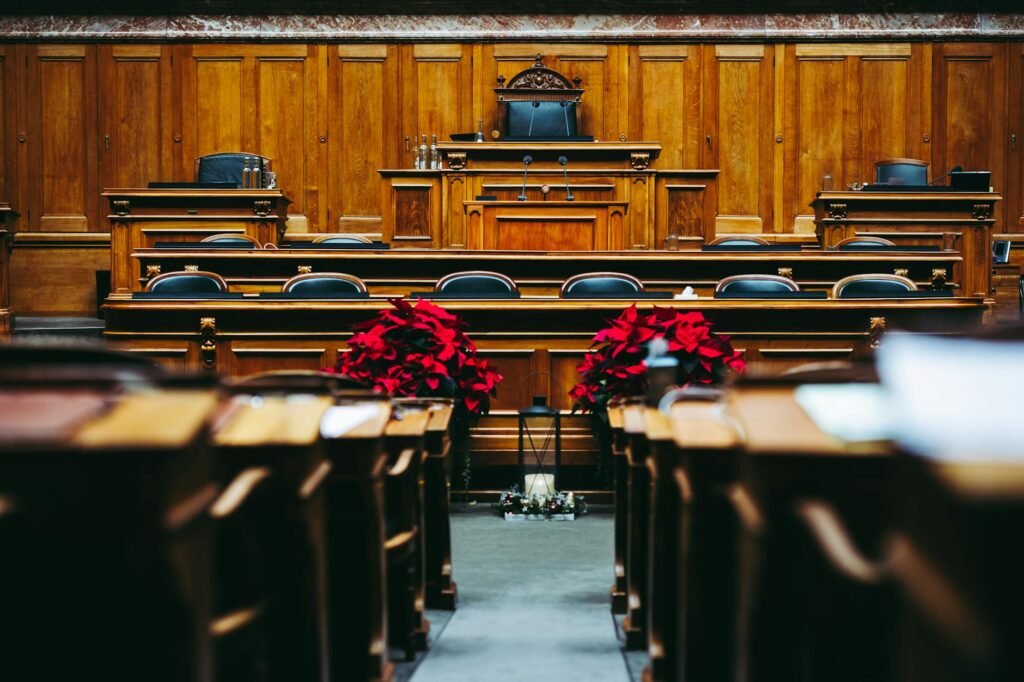
Kirk Shooting Suspect: Courtroom Cameras Under Fire
The high-profile case involving the kirk shooting suspect, Tyler Robinson, has taken a significant turn as his defense attorneys actively seek to bar cameras from future courtroom proceedings. This legal maneuver, initiated by Robinson’s legal team, seeks to control the narrative and potentially shield the proceedings from public and media scrutiny, citing concerns over fairness and the integrity of the trial. The debate over cameras in the courtroom isn’t new, but its application in this case, involving the death of Charlie Kirk, brings renewed attention to the delicate balance between public’s right to know and an individual’s right to a fair trial.
Last updated: April 20, 2026
Attorneys for Tyler Robinson, the man accused of shooting and killing Charlie Kirk, are making a concerted effort to have cameras removed from the courtroom. This request highlights a persistent tension in high-profile legal cases: the role of media in disseminating information versus the potential for that same media to influence jury perception and the overall judicial process. The defense’s argument centers on the premise that the presence of cameras could prejudice potential jurors and disrupt the solemnity of court proceedings.
The Defense’s Argument: Protecting a Fair Trial
At the heart of the defense’s strategy is the assertion that cameras in the courtroom can compromise the fundamental right to a fair trial. According to CNN (April 17, 2026), attorneys for Tyler Robinson have explicitly made their case to boot cameras from the courtroom. This isn’t merely a procedural request. it’s a direct challenge to the established practices in many jurisdictions that allow media access. The defense team argues that the intense media coverage, amplified by constant visual presence, can create an environment where potential jurors are pre-conditioned with information, some of which may be inadmissible or inaccurately portrayed.
This concern isn’t unique to the kirk shooting suspect case. Legal scholars and practitioners have long debated the impact of visual media on jury pools. The presence of cameras can lead to heightened public pressure, potentially influencing witness testimony and even judicial decisions. The defense is likely concerned that images and soundbites captured by news outlets could be selectively edited or sensationalized, leading to a public perception of guilt or innocence before all evidence is presented and deliberated upon in a controlled court setting.
As reported by ABC7 Los Angeles (April 17, 2026), Tyler Robinson, the man accused of shooting and killing Charlie Kirk, is pushing to ban cameras from court. This proactive stance by the defense suggests a calculated approach to managing the legal battleground. By attempting to limit visual media, they aim to reduce the sensationalism often associated with such cases, thereby creating a more neutral and controlled environment for the trial to unfold.
Media Access: A Double-Edged Sword
While the defense aims to restrict camera access, the media argues for the public’s right to observe judicial proceedings. This principle is often rooted in the idea that transparency in the justice system builds public trust and accountability. However, the unfettered access that cameras provide can sometimes detract from the decorum and seriousness of a court. The debate often hinges on whether the benefits of public observation outweigh the potential risks to the defendant’s right to an impartial jury.
Fox News (April 17, 2026) reported that the Charlie Kirk case is stalling as the accused shooter delays his plea and eyes media limits. This indicates that the issue of media access is a significant roadblock in the case’s progression. The defense’s focus on media limitations suggests a belief that controlling the flow of information is Key to the ultimate outcome of the trial.
Historically, courtrooms have been spaces where justice is dispensed behind closed doors. The introduction of cameras, beginning in earnest in the late 20th century, aimed to open these proceedings to public view. Organizations like the Administrative Office of the U.S. Courts provide guidelines on camera access, acknowledging the need for balance. However, each case presents unique challenges, and the presence of cameras is often subject to the discretion of the presiding judge.
The Ballistics Evidence: A Lingering Question
A critical element in the kirk shooting suspect case revolves around ballistics evidence. Newly unsealed ATF (Bureau of Alcohol, Tobacco, Firearms and Explosives) reports, as detailed by the New York Post (April 16, 2026), have explain the analysis of the bullet that killed Charlie Kirk. While these reports provide technical details, their interpretation and admissibility in court are subject to rigorous legal scrutiny. The defense’s willingness to challenge such evidence, including questioning bullet fragment analysis, is standard legal practice aimed at ensuring that only reliable and properly obtained evidence is presented to the jury.
NBC News (March 31, 2026) reported that the Charlie Kirk shooting suspect’s lawyers are questioning bullet fragment evidence ahead of a hearing. This indicates a proactive approach by the defense to scrutinize every piece of evidence, especially forensic findings. The analysis of the bullet itself and any fragments could be Key in linking the weapon to the crime. If the defense can successfully challenge the integrity or interpretation of this evidence, it could weaken the prosecution’s case.
Adding another layer of complexity, The Guardian (March 31, 2026) noted that analysis of the bullet that killed Charlie Kirk found no conclusive link to a rifle found near the scene. This finding, if accurate and widely accepted, could create reasonable doubt. However, the prosecution may present alternative theories or evidence to connect the suspect to the weapon used. The PBS report (April 3, 2026) further explored the implications of an “inconclusive” ballistics result, explaining what such a finding means in a legal context. It suggests that the scientific analysis may not provide a definitive match, leaving room for interpretation and argument.
Echoes of Other High-Profile Cases
The defense team’s strategy of scrutinizing evidence and seeking media limitations may draw parallels to other high-profile criminal cases. NewsNation (April 16, 2026) reported that the Charlie Kirk murder suspect is tapping an expert who’s also associated with the defense of Bryan Kohberger, the suspect in the Idaho murders. This hiring of a legal expert with experience in a similarly scrutinized, camera-heavy case suggests a strategic choice to employ defense tactics that have been considered, or are being considered, in other complex trials. The involvement of such experts often signifies a sophisticated and well-resourced defense effort, focused on challenging the prosecution at every turn.
The use of experts like those who may have consulted on the Bryan Kohberger case can bring valuable insights into jury psychology, media influence, and scientific evidence. In the Kohberger case, the defense has also navigated complex issues of evidence admissibility and media attention. By bringing in similar expertise, the defense for Tyler Robinson signals an intent to build a strong defense that anticipates and counters the prosecution’s moves, especially those that might be influenced by public perception or media portrayals.
The presence of cameras in courtrooms, while intended to promote transparency, can inadvertently turn trials into spectacles. You can be especially challenging for defendants who are presumed innocent until proven guilty. The defense’s push to ban cameras is a direct attempt to counteract this potential bias, aiming for a trial where facts, not images, dictate the outcome. This aligns with the principles of due process — which guarantee a fair hearing before an impartial tribunal.
The Role of the Presiding Judge
In the end, the decision on whether to allow cameras in the courtroom rests with the presiding judge. Judges are tasked with balancing the public’s right to access information with the defendant’s right to a fair trial. They must consider the potential for cameras to disrupt proceedings, intimidate witnesses, or prejudice the jury. In many jurisdictions, judges have broad discretion in this matter.
The judge in the kirk shooting suspect case will likely weigh the arguments presented by both the defense and the prosecution. The prosecution might argue for camera access, emphasizing transparency. The defense will counter with concerns about fairness and potential prejudice. The judge’s decision could be influenced by established court rules, previous rulings in similar cases, and the specific circumstances of the Charlie Kirk case. The legal precedents set by cases involving camera access can vary making each ruling highly dependent on the judge’s interpretation of relevant laws and ethical considerations.
Legal Landscape: Key Considerations
The legal strategy employed by the defense for Tyler Robinson is indicative of a broader trend in managing high-stakes criminal defense. Key considerations include:
- Evidence Scrutiny: Rigorous examination of all prosecution evidence, including forensic reports from agencies like the ATF.
- Media Management: Proactive measures to limit potentially prejudicial media coverage, such as requesting camera bans or gag orders.
- Expert Consultation: Engaging legal and forensic experts with experience in complex, high-profile cases.
- Procedural Delays: Utilizing legal procedures, like challenging evidence or requesting changes in courtroom protocols, to manage the pace of the trial.
The delay in Robinson’s plea, as noted by Fox News, is a direct consequence of these strategic maneuvers. It allows the defense more time to prepare its challenges and to influence the procedural aspects of the trial before substantive arguments begin.
Frequently Asked Questions
Can cameras be banned from courtrooms?
Yes, judges have the discretion to ban cameras from courtrooms if they believe their presence could jeopardize a defendant’s right to a fair trial, disrupt proceedings, or intimidate witnesses. The decision involves balancing transparency with due process.
what’s the ATF’s role in ballistics analysis?
The ATF analyzes firearms and ammunition to trace weapons, identify ballistic evidence, and assist in criminal investigations. Their reports, like the one concerning the bullet that killed Charlie Kirk, provide technical findings that can be Key in court.
Why would a defense attorney want to ban cameras?
Defense attorneys may seek to ban cameras to prevent potential jurors from being influenced by media coverage, reduce sensationalism, protect the privacy of defendants and witnesses, and maintain a more controlled and less distracting courtroom environment.
What does an “inconclusive” ballistics report mean?
An inconclusive ballistics report means that forensic examiners couldn’t definitively link a bullet or cartridge case to a specific firearm. You can occur due to various factors, such as the condition of the evidence or limitations in the comparison process.
How does the Bryan Kohberger case relate to this one?
The connection lies in the defense strategy. Suspects in high-profile cases often employ similar legal tactics, and hiring experts who have experience in cases like Bryan Kohberger’s suggests the defense is building a strong strategy to counter intense media scrutiny and complex evidence.
The Path Forward
The legal proceedings surrounding the kirk shooting suspect, Tyler Robinson, are far from over. The defense’s push to limit camera access is a significant development that highlights the ongoing tension between media’s role in the justice system and the rights of the accused. As the case progresses, the court’s decisions on these procedural matters will be closely watched, potentially setting precedents for how future high-profile trials are conducted in the digital age.
The scrutiny of evidence, the engagement of specialized experts, and the strategic management of media presence are all critical components of modern criminal defense. The outcome of these courtroom battles over access and evidence will ultimately shape the narrative of the Charlie Kirk case and influence public perception of the justice being served. It’s a complex dance between legal procedure, public interest, and the pursuit of truth.