
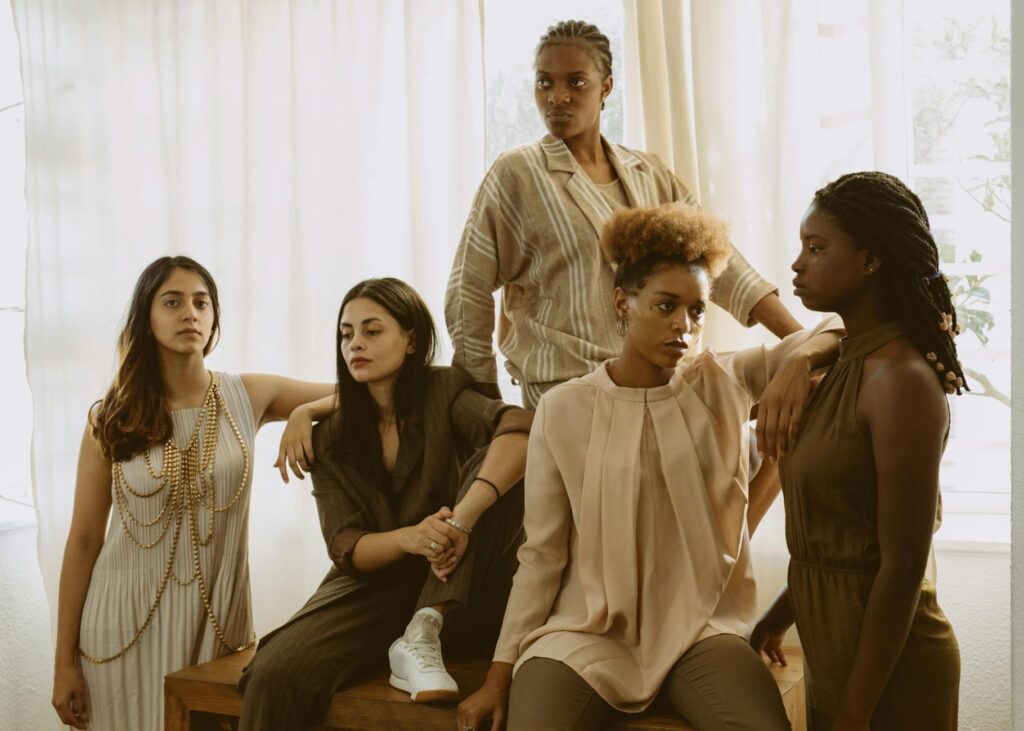
The Struggle to Define Your Personal Style
Many people face a common dilemma: standing in front of a closet full of clothes, yet feeling like they have nothing to wear. This isn’t usually about a lack of garments, but rather a disconnect between one’s wardrobe and their desired personal expression. The pressure to keep up with fleeting fashion trends can be exhausting, often leading to purchases that don’t truly resonate or serve a long-term purpose. Developing a distinct personal style, however, is about more than just following the latest runway looks. it’s about cultivating a visual language that communicates who you’re.
Last updated: April 23, 2026
what’s fashion? Fashion is a broadly defined term referring to a prevailing style or custom, especially in clothing, footwear, accessories, makeup, hairstyles, and body proportions. It’s dynamic, constantly evolving, and deeply intertwined with culture, society, and individual identity.
Why Personal Style Matters Beyond Trends
Beyond simply looking good, your personal style is a powerful tool for self-expression and building confidence. When your clothing aligns with your personality and lifestyle, it can impact how you feel and how others perceive you. According to a study by The Journal of Consumer Psychology (2017), clothing choices can influence cognitive processes, making people feel more powerful and competent. This psychological effect, often referred to as ‘enclothed cognition’, suggests that what we wear can genuinely affect our mindset.
Cultivating personal style isn’t about owning designer labels or adhering to strict rules. It’s about understanding yourself and translating that understanding into your sartorial choices. It’s a journey of self-discovery that yields tangible benefits, from boosting self-esteem to simplifying daily decision-making. This approach to fashion prioritizes longevity and authenticity over ephemeral trends.
Step 1: Understand Your Current Style (and Where You Want To Go)
Before you can build or refine your personal style, you need to assess where you’re now. Take a critical look at your current wardrobe. What pieces do you wear most often? What do you love about them? Conversely, what items are rarely touched, and why? You might find a pattern emerging – perhaps you gravitate towards comfortable, minimalist pieces, or maybe you prefer bold colors and unique textures.
To gain clarity, create a mood board. You can be a physical corkboard or a digital one using tools like Pinterest. Collect images of outfits, colors, textures, and even non-fashion related aesthetics (like interior design or art) that appeal to you. Don’t overthink it. just save what catches your eye. As you gather images, a theme might start to emerge, pointing towards your ideal style aesthetic. This visual representation is a concrete way to identify your preferences, moving beyond abstract ideas.
Step 2: Define Your Lifestyle Needs
Authentic fashion is functional fashion. Your wardrobe should support, not hinder, your daily life. Consider the various roles you play and the environments you inhabit. Are you a student who needs comfortable, casual wear? A corporate professional requiring business attire? A parent juggling multiple responsibilities? An artist who thrives on creative expression?
For example, someone who works in a formal office environment might need a different foundation wardrobe than a remote worker or a freelancer. According to Reuters (2023), dressing appropriately for your professional setting can impact perceived competence and career progression. Think about the practicalities: Do you need durable fabrics? Easy-care garments? Pieces that transition easily from day to night? Identifying these needs ensures your style choices are practical and sustainable for your routine.
Step 3: Build a Foundational Wardrobe
Once you understand your aesthetic preferences and lifestyle needs, it’s time to build a solid foundation. This involves investing in high-quality, versatile basics that form the core of your outfits. Here are typically neutral-colored items that can be mixed and matched endlessly.
Key foundational pieces often include:
- Well-fitting jeans or trousers in a classic cut.
- A few essential t-shirts and blouses in neutral tones (white, black, grey, navy).
- A classic blazer or jacket that can dress up or down.
- A versatile dress or skirt suitable for various occasions.
- Comfortable, stylish footwear like loafers, ankle boots, or clean sneakers.
Brands like Everlane have built their reputation on offering timeless, transparently produced basics, demonstrating the market’s demand for this approach. Focusing on fit, fabric quality, and timeless design ensures these foundational pieces will serve you for years.
Step 4: Incorporate Pieces That Express Your Personality
With a strong foundation in place, you can now inject personality and flair. Here’s where you move beyond the basics and add items that truly reflect your unique taste. Think about:
- Color: Experiment with colors that flatter your skin tone and bring you joy. Understanding basic color theory can be surprisingly helpful.
- Prints and Patterns: Incorporate subtle or bold prints that resonate with your aesthetic.
- Unique Silhouettes: Play with different garment shapes and cuts.
- Accessories: This is often the easiest and most impactful way to personalize an outfit. Scarves, jewelry, bags, and shoes can completely transform a look. Consider investing in a statement accessory that speaks to you.
- Vintage or Second-hand Finds: Unique pieces with history can add immense character. Organizations like the Goodwill Industries often have treasures waiting to be discovered.
Don’t be afraid to mix and match. A classic outfit can be elevated with a quirky accessory, or a simple base can be made striking with a uniquely patterned jacket. This stage is about creativity and allowing your individuality to shine through.
Step 5: Prioritize Fit and Tailoring
Perhaps the single most Key element in making any outfit look polished and intentional is proper fit. Even the most expensive clothing can look ill-fitting if it doesn’t suit your body shape. Poor fit can make you appear sloppy or uncomfortable.
Investing in tailoring is often one of the most impactful ways to elevate your wardrobe. Hemming trousers, taking in the waist of a jacket, or adjusting the sleeves of a shirt can make a world of difference. Many high-end retailers, like Nordstrom, offer in-house tailoring services. Even for more budget-friendly pieces, a few alterations can make them look custom-made. According to the BBC (2021), the rise of the ‘perfect fit’ through tailoring is a growing trend, emphasizing the value consumers place on personalized clothing.
Step 6: Embrace Sustainable and Conscious Choices
The fashion industry has a significant environmental footprint. As awareness grows, so does the movement towards more sustainable and ethical fashion choices. This doesn’t mean sacrificing style. it means making more informed decisions.
Consider these approaches:
- Quality over Quantity: Invest in fewer, better-made items that will last longer, reducing the need for frequent replacements.
- Second-hand Shopping: Thrifting, consignment, and vintage shopping are excellent ways to find unique pieces while reducing waste. Platforms like Depop and ThredUp have made this more accessible.
- Ethical Brands: Research brands committed to fair labor practices and environmentally friendly materials. Look for certifications like Fair Trade or B Corp.
- Care and Repair: Learn to properly care for your clothes to extend their lifespan. Simple repairs can save garments from landfill.
Making conscious choices aligns your values with your style, adding another layer of meaning to your fashion journey. According to the United Nations Environment Programme (UNEP), the fashion industry is responsible for up to 10% of global carbon emissions—more than international flights and maritime shipping combined. Choosing sustainable options is a powerful way to mitigate this impact.
Frequently Asked Questions
How do I find my personal style if I’m unsure where to start?
Start by observing what catches your eye in magazines, online, or on the street. Create a digital mood board on platforms like Pinterest, saving images of outfits, colors, and aesthetics you’re drawn to. Look for common themes to identify your preferences and potential style direction.
Is it okay to not follow fashion trends?
Absolutely. Personal style is about authenticity and expressing yourself, not blindly following trends. While trends can be inspiring, they should be adapted to fit your individual taste and lifestyle, rather than dictating your choices.
How much should I spend on foundational wardrobe pieces?
Focus on quality over quantity. It’s often better to invest in a few well-made, versatile basics from brands known for durability, like those found at Uniqlo, rather than buying many cheap items that won’t last. Prioritize fit and fabric when making these core purchases.
Can accessories really change an outfit?
Yes, accessories are incredibly powerful. A simple outfit can be transformed with the addition of a statement necklace, a colorful scarf, a stylish belt, or a unique handbag. They offer an accessible way to experiment with different looks and inject personality.
What’s the difference between fashion and style?
Fashion refers to the current popular trends and styles dictated by the industry. Style, But — is a more personal and enduring form of self-expression that reflects an individual’s unique taste, personality, and lifestyle, often transcending fleeting fashion trends.
Conclusion: Your Style, Your Statement
Developing a personal style is a rewarding journey that goes far beyond mere aesthetics. It’s about self-awareness, intentionality, and building confidence. By understanding your lifestyle, embracing foundational pieces, and infusing your personality through thoughtful choices and mindful consumption, you can create a wardrobe that truly serves you. Remember, the most compelling fashion is always authentic fashion. Start experimenting, have fun, and let your unique style speak volumes.
Related read: The Humble Hoodie: Your Wardrobe Essential