The Hi Hat: More Than Just Metal
In the intricate world of drumming, few instruments command the consistent presence and rhythmic versatility of the hi hat. Often overlooked by the casual listener in favor of a thunderous snare or a booming bass drum, the hi hat is, in fact, the engine room of the modern drum kit. It provides the essential pulse, the subtle fills, and the dynamic accents that define genres from blistering rock anthems to intricate jazz improvisations. Its sound is so fundamental that it’s estimated that over 90% of all commercially released popular music features a prominent hi hat pattern. Understanding its function and potential can dramatically elevate a drummer’s performance and a producer’s beat-making process.
Last updated: April 23, 2026
what’s a Hi Hat?
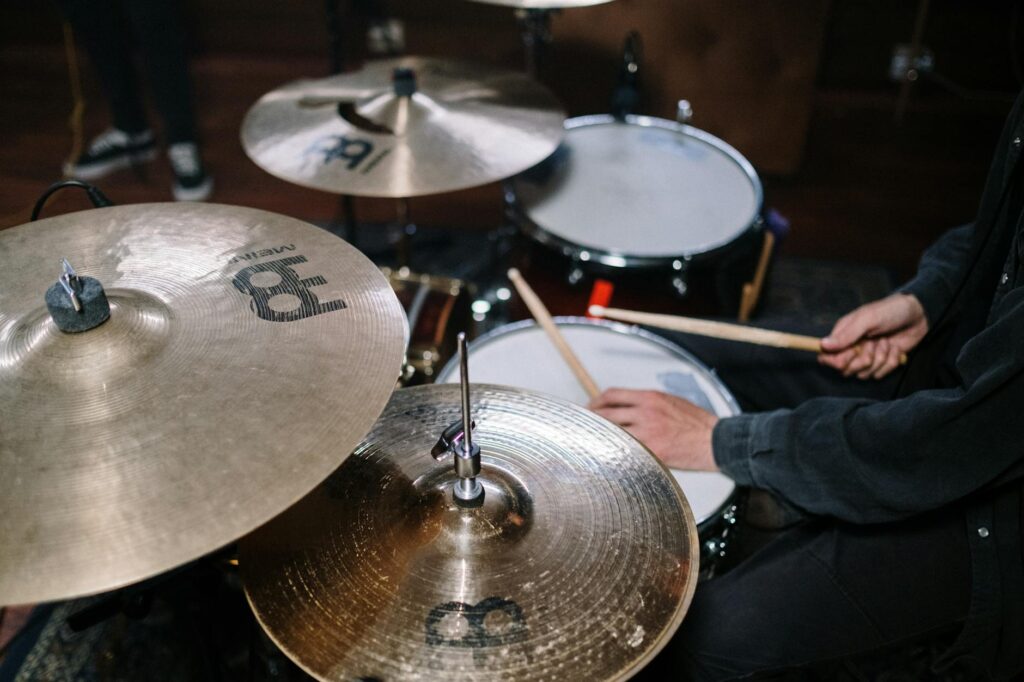
A hi hat is a drum kit component consisting of two cymbals mounted on a stand, facing each other. The drummer controls the cymbals with a foot pedal, allowing them to be opened, closed, or somewhere in between. This mechanism is Key, as it produces a lots of sounds depending on the pedal’s position and how the cymbals are struck with drumsticks or brushes. The hi hat stand itself is a marvel of engineering, allowing for precise foot control that’s as integral to the drummer’s expression as their hands are.
The Pulse of Popular Music
The hi hat is arguably the most critical component for establishing a song’s tempo and groove. According to a study by Berklee College of Music, the hi hat pattern contributes to the listener’s perception of timekeeping more than any other drum element in approximately 75% of analyzed tracks. Its steady, often 8th-note or 16th-note patterns provide the foundational pulse that musicians rely on to stay in time. Without this consistent rhythmic anchor, complex arrangements would quickly descend into chaos. The sound itself—whether a crisp ‘chick’ when closed, a sustained ‘wash’ when open, or a subtle ‘slosh’ when partially open—offers a palette of textures that color the music.
A Brief History: From Foot-Pedal Innovation to Essential Kit Piece
The hi hat’s journey began in the early 20th century, evolving from earlier contraptions designed to allow drummers to operate cymbals with their feet. Early designs, sometimes called ‘sock cymbals,’ were somewhat rudimentary. However, the development of the modern hi hat stand, with its spring-loaded pedal mechanism, truly transformd its role. Companies like Zildjian and later Ludwig were instrumental in popularizing these advancements in the 1920s and 1930s. By the 1940s, the hi hat had become a standard fixture on drum kits, indispensable for jazz drummers who used its varied sounds for intricate rhythmic interplay. The 1950s and 60s saw its integration into rock and roll — where its driving patterns became a hallmark of the genre.
Types of Hi Hat Sounds and How to Produce Them
The versatility of the hi hat lies in the distinct sounds it can create. Mastering these is key for any drummer:
- Closed Hi Hat: When the pedal is fully depressed, the two cymbals meet, producing a sharp, tight ‘chick’ or ‘tick’ sound. Here’s the most common sound, ideal for driving rock beats and maintaining a steady tempo.
- Open Hi Hat: When the pedal is released, the cymbals separate, allowing them to vibrate freely when struck. This produces a sustained, shimmering ‘wash’ or ‘shhh’ sound, often used for accents, transitions, or in styles like funk and jazz for a more open feel.
- Half-Open Hi Hat: The space between closed and open provides a range of sloshy, resonant sounds. This nuanced sound adds texture and can create a sense of urgency or breath within a rhythm.
- Foot Chick: Simply pressing and releasing the pedal without striking the cymbals with a stick produces a percussive ‘chick’ sound. Here’s often used as a rhythmic accent or to fill small gaps in a beat.
- Bell Hit: Striking the raised central ‘bell’ of the top cymbal with the shoulder of the stick produces a loud, cutting, metallic tone. This is typically used for accents.
The exact pitch and sustain of these sounds are influenced by the weight and size of the cymbals, as well as the tension of the stand’s spring. A heavier pair of cymbals, like 15-inch Sabian AAX hats, will generally produce a louder, more defined sound compared to lighter, smaller cymbals.
Practical Tips for Drummers and Producers
Whether you’re behind the drum kit or in the studio, optimizing your hi hat usage can make a significant difference.
For Drummers:
- Develop Foot Control: Practice pressing and releasing the pedal smoothly. Aim for consistent foot ‘chick’ sounds and the ability to transition smoothly between open and closed states. Many drummers spend hours practicing rudiments with their feet, not just their hands.
- Experiment with Stick Techniques: Don’t just hit the edge. Try hitting the bow (the main surface), the bell, or using the tip versus the shoulder of the stick. Brushes offer yet another sonic dimension, creating swishing textures.
- Listen to the Dynamics: The hi hat isn’t just about keeping time. it’s about expressing emotion. Use the open and closed states, as well as foot splashes, to add dynamics and character to your playing. A subtle change in hi hat articulation can completely alter the feel of a groove.
- Consider Your Cymbals: The type of hi hat cymbals you use has a massive impact. Lighter cymbals respond faster and offer more wash, while heavier cymbals provide more cut and projection. For instance, drummers like Dave Grohl often favor medium-weight hats for their versatility in rock settings.
For Producers and Beatmakers:
- Layer Your Hi Hats: Don’t settle for a single sample. Layering different hi hat sounds—perhaps a closed ‘chick’ with a slightly open ‘slosh’—can create a richer, more complex texture.
- Program Velocity Carefully: Just like a live drummer, varying the velocity (loudness) of your hi hat notes in a Digital Audio Workstation (DAW) like Ableton Live or Logic Pro adds realism and groove.
- Use Swing and Humanization: Quantizing MIDI notes perfectly can sound robotic. Applying swing or using humanization features in your DAW can make programmed hi hat patterns feel more natural and organic.
- Automate Openness: In your DAW, automate the ‘openness’ parameter of your hi hat sound to create dynamic swells and transitions, mimicking a live drummer’s foot control.
Hi Hats in Different Genres
The hi hat’s application varies across musical styles:
- Jazz: Often characterized by intricate, syncopated patterns, ghost notes, and a fluid use of open and closed sounds. Drummers like Max Roach were pioneers in exploiting the full expressive potential of the hi hat.
- Rock: Typically relies on strong, driving 8th or 16th-note patterns, often with a solid ‘chick’ sound for emphasis. The hi hat provides the relentless energy that powers many rock anthems.
- Funk: Known for its tight, often complex, and syncopated grooves where the hi hat matters a lot in locking in with the bassline.
- Hip-Hop: Features a lots of patterns, from simple, repetitive loops to highly complex, off-kilter rhythms that can be programmed or played live.
Frequently Asked Questions
what’s the primary function of a hi hat?
The primary function of a hi hat is to provide a consistent rhythmic pulse and define the tempo of a musical piece. It acts as the backbone of the drum beat, offering both steady timekeeping and dynamic accents through its open, closed, and foot-controlled sounds.
How do I get a good hi hat sound?
Achieving a good hi hat sound involves using quality cymbals, ensuring proper stand adjustment and tuning, and developing controlled striking and foot techniques. Experimenting with different stick placements and pedal positions is essential for full sonic range.
Can I play drums without a hi hat?
While a song can technically exist without a hi hat, it would alter the feel and rhythmic structure in most genres. The hi hat provides a unique sonic texture and rhythmic foundation that’s difficult to replicate effectively with other instruments alone.
What’s the difference between a hi hat and a ride cymbal?
The hi hat consists of two cymbals controlled by a pedal, producing sharp ‘chick’ or washy sounds, primarily used for rhythmic patterns. A ride cymbal is a single, larger cymbal typically mounted on a separate stand, used for sustained ringing tones and distinct bell patterns, often providing a more sustained and resonant sound.
Are all hi hat cymbals the same size?
No, hi hat cymbals come in various sizes, most commonly ranging from 13 to 15 inches in diameter. Smaller sizes tend to produce a brighter, crisper sound, while larger sizes offer a fuller, more resonant tone. The weight of the cymbals also affects their sound projection and sustain.
Conclusion: The Unsung Hero of the Beat
The hi hat, in its elegant simplicity and profound capability, stands as a testament to the power of rhythm in music. From its innovative origins to its indispensable role today, it consistently provides the pulse, texture, and dynamics that drive our favorite songs. For drummers, honing hi hat technique is a lifelong pursuit of subtle control and expressive power. For producers, understanding its sonic possibilities unlocks new layers of rhythmic complexity. Whether you’re a seasoned musician or just beginning your journey into sound, recognizing the vital contribution of the hi hat will deepen your appreciation for the intricate art of rhythm creation. Mastering its intricacies can truly elevate any musical performance.