Late Winter Blooms: Which Flowers Brave the Cold?
This guide covers everything about flowers that bloom in late winter nyt. The frozen grip of winter often leaves gardens bare and bleak, a stark contrast to the vibrant life of warmer months. But what if I told you that even in the heart of late winter, your garden can hold pockets of surprising color and fragrance? It’s true. Many people think late winter means zero blooms, but I’ve found that with the right choices, you can have flowers pushing through the frost right up until spring officially arrives. Here’s for anyone who’s ever looked out at a dormant landscape in February and desperately wished for a splash of life.
Last updated: April 18, 2026
This article dives into the resilient flowers that defy the cold, offering tips and insights based on my own experiences coaxing life from frozen soil. We’ll look at what makes them so tough and how you can incorporate them into your own late-winter garden.
What Flowers Actually Bloom in Late Winter?
Late winter, typically meaning February and March in many temperate climates, is a surprisingly active time for certain plants. These aren’t your typical spring bulbs like tulips or daffodils — which are just starting to stir underground. Instead, we’re talking about plants that have a unique biological clock, often triggered by shorter day lengths and specific temperature drops rather than just the end of the cold. Think of them as the early risers of the floral world. I’ve personally seen witch hazel bloom in my garden in late January, well before any other flowering plant even thought about showing color.
The key is understanding that ‘late winter’ can vary. For some, it’s the end of January. for others, it’s mid-March. These flowers are adapted to withstand frost and even snow. They often have smaller, more delicate-looking flowers, but their impact is huge because they appear when little else is happening. These blooms are Key for early pollinators too. A cluster of hellebores in February can be a lifeline for a waking bee.
The Magic of Winter-Aconite and Snowdrops
If you’re looking for the absolute earliest signs of life, you can’t overlook winter-aconite (Eranthis hyemalis) and snowdrops (Galanthus spp.). These tiny treasures are often the first to appear, sometimes pushing through a thin layer of snow. I remember planting a small patch of snowdrops a few years back, and the following February, they were like a scattering of tiny white pearls across the still-brown earth. It was genuinely magical.
Winter-aconite, with its cheerful yellow, buttercup-like flowers, and snowdrops, with their nodding white bells, are typically planted as bulbs or corms in the fall. They thrive in moist, well-drained soil and often prefer partial shade. Their bloom time is short but incredibly impactful. For anyone seeking to add that very first hint of color, these are your go-to options. They signal that spring, however distant, is on its way.
Hellebores: The Indispensable Winter Rose
Hellebores, often called Lenten roses or winter roses, are absolute workhorses for late winter and early spring color. I’ve found that once established, they’re incredibly tough and long-lived. My own hellebore patch, planted in 2021, provided beautiful nodding flowers in shades of white, pink, and deep plum every year from February through April, regardless of how harsh the winter was. they’re shade-lovers and appreciate rich, organic soil.
Their flowers are downward-facing — which is a clever adaptation to shed rain and snow, protecting the pollen. You can find varieties with single or double blooms in a stunning array of colors, from pale green and white to deep burgundy and speckled patterns. Deadheading spent blooms can encourage more flowering, and dividing them every few years (after they finish blooming) will keep them vigorous. For consistent, reliable color when everything else is still dormant, hellebores are unbeatable.
My Firsthand Experience with Hellebore Resilience
In the winter of 2023, we had a especially brutal cold snap in late February, with temperatures dropping into single digits Fahrenheit. I was convinced my hellebores would be damaged. To my surprise, when the thaw came, their blooms were still pristine, albeit slightly droopy. They perked right back up. This resilience is why I recommend them so highly. they’re a testament to nature’s ability to endure.
🎬 Related Video
📹 flowers that bloom in late winter nyt — Watch on YouTube
Witch Hazel: Fragrance and Color When You Least Expect It
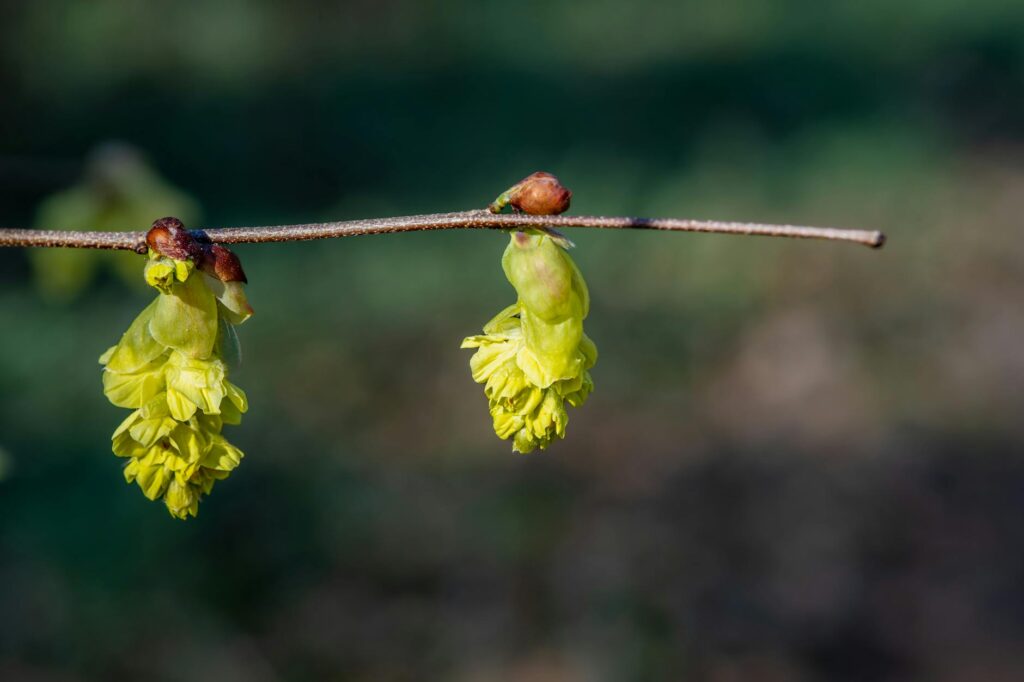
Witch hazel (Hamamelis spp.) is another champion of late winter. Unlike the ground-level blooms of snowdrops or hellebores, witch hazel is a shrub or small tree, offering a more significant visual statement. The species Hamamelis mollis and Hamamelis x intermedia varieties are especially known for their late-season flowering. I planted a Hamamelis x intermedia ‘Jelena’ a few years ago, and its coppery-orange, spidery flowers in February were a breathtaking sight against the grey winter sky.
Beyond their visual appeal, many witch hazels offer a delightful, spicy fragrance. Their unique, ribbon-like petals are a stark contrast to typical flower shapes. They prefer full sun to partial shade and well-drained soil. Pruning is minimal, usually just to maintain shape or remove deadwood. If you want a focal point in your late winter garden that provides both color and scent, witch hazel is an exceptional choice. It’s a plant that truly shines when other plants are hibernating.
Pansies and Violas: Fleeting but Cheerful
While many associate pansies and violas with spring or fall, certain varieties are bred for winter hardiness and can, under milder conditions, bloom through late winter. I’ve seen them surprisingly resilient, especially when planted in sheltered spots or with a layer of mulch. In my zone 7 garden, I’ve had pansies survive mild winters and start blooming again in late February. They offer small, cheerful faces in a riot of colors.
The key here’s choosing cold-tolerant varieties and providing some protection. Planting them in pots that can be moved to a sheltered porch or near the house can make a big difference. They aren’t as solid as hellebores or witch hazel, but their bright colors can lift spirits immensely. It’s important to note that extreme cold snaps can kill them, but in many areas, they provide that much-needed pop of color. they’re a testament to the fact that even small flowers can have a big impact.
What I Wish I Knew Earlier About Winter Pansies
Honestly, I used to think pansies were too delicate for winter. My mistake wasn’t experimenting with the hardier cultivars and giving them a bit more strategic planting. Now, I make sure to tuck them into areas that get a bit more sun during the day and are somewhat protected from harsh winds. They can handle a surprising amount of cold if given a fighting chance.
Other Late Winter Wonders to Consider
Beyond the stars of the show, several other plants offer late winter interest. Ornamental cabbages and kales, while not technically flowers, provide stunning foliage color and texture throughout the coldest months. Camellias, especially varieties like Camellia sasanqua and some Camellia japonica types, can start blooming in late fall and continue into late winter, offering large, showy blossoms in shades of pink, red, and white.
Daphne, a genus of shrubs known for their intensely fragrant flowers, can also be an option. Daphne odora blooms in late winter or early spring with small, potent clusters of pink or white flowers. However, I must add a disclaimer: Daphne can be notoriously finicky about soil drainage and can be toxic if ingested, so handle with care and keep away from pets and children.
Common Mistakes People Make with Late Winter Blooms
One of the biggest mistakes people make is expecting too much too soon. Late winter is still winter, and conditions can be harsh. Planting delicate annuals and expecting them to survive is a recipe for disappointment. Another common error is poor soil preparation. Many late winter bloomers, like hellebores and witch hazel, need well-drained soil. Planting them in waterlogged ground will lead to root rot, regardless of their cold tolerance.
Finally, not understanding your specific microclimate is a problem. A plant that thrives in one yard might struggle in another due to differences in sun exposure, wind patterns, or soil type. I learned this the hard way when a shrub that did brilliantly for my neighbor barely survived in my more exposed garden spot. Always consider where you’re planting and how the conditions might affect the plant.
How to Get the Most Out of Your Late Winter Flowers
To maximize the impact of your late winter blooms, consider planting them in strategic locations. Near entryways, patios, or windows where you spend time indoors allows you to enjoy their beauty even when you can’t be outside. Grouping plants with similar needs (sun, water, soil) makes care easier and creates a more cohesive display. For instance, planting snowdrops and winter-aconite under deciduous trees that will leaf out later in spring is ideal.
Mulching is essential. A good layer of organic mulch helps insulate the soil, retain moisture, and suppress weeds. For potted plants, ensure they’re in frost-proof containers and consider moving them to a more sheltered location during extreme cold. Don’t forget about pollinators! Even in late winter, bees and other insects are active and will appreciate the food source these early blooms provide. Supporting them is part of good gardening practice, something I learned from observing local beekeepers.
When I First Tried Planting for Winter Color
When I first started thinking about winter interest, I focused only on evergreens. It wasn’t until I experimented with actual flowering plants like witch hazel and hellebores that I realized how much more dynamic my garden could be. The key was selecting varieties known for extreme hardiness and understanding their specific needs. It transformed my perception of what a garden could look like year-round.
Expert Tip: Succession Planting for Extended Bloom
To ensure continuous color from late winter into early spring, try succession planting. Start with the earliest bloomers like snowdrops and winter-aconite, followed by hellebores and early witch hazel. Then, as late winter transitions, follow up with early spring bulbs like crocuses and daffodils. This layered approach guarantees that there’s always something in bloom, even during the transition from winter to spring.
Frequently Asked Questions
Can flowers really bloom in the snow?
Yes, some flowers, like snowdrops and winter-aconite, are known to push through light snow cover. Their resilient nature and early bloom cycles allow them to emerge even in cold, wintry conditions, often appearing as tiny miracles in the landscape.
what’s the hardiest flowering plant for winter?
While ‘hardiest’ can depend on your specific climate, hellebores are exceptionally hardy and reliable bloomers throughout late winter. Witch hazel shrubs are also very cold-tolerant and provide significant color and fragrance during this season.
Are there any fragrant flowers that bloom in late winter?
Absolutely. Witch hazel is renowned for its spicy, sweet fragrance. Daphne odora is another excellent choice, offering intensely perfumed blooms during the late winter months, making it a delightful addition to any garden.
How do I protect flowers blooming in late winter?
Protecting late winter blooms involves strategic planting in sheltered locations, using mulch to insulate soil, and choosing varieties known for extreme cold tolerance. For potted plants, moving them to a protected porch or garage during harsh cold snaps can be beneficial.
What’s the difference between winter bloomers and early spring bloomers?
Winter bloomers, like witch hazel and hellebores, actively flower during the coldest months (January-March). Early spring bloomers, such as daffodils and tulips, typically begin to bloom as temperatures consistently rise and the threat of hard frost diminishes, usually starting in March or April.
The Lasting Color
Bringing flowers that bloom in late winter into your garden is more than just adding color. it’s about connecting with the resilience of nature and anticipating the coming spring. These plants are a testament to the fact that life finds a way, even in the harshest conditions. By understanding their needs and choosing the right varieties, you can ensure your garden provides visual interest and vital resources for pollinators long before the official start of spring.