
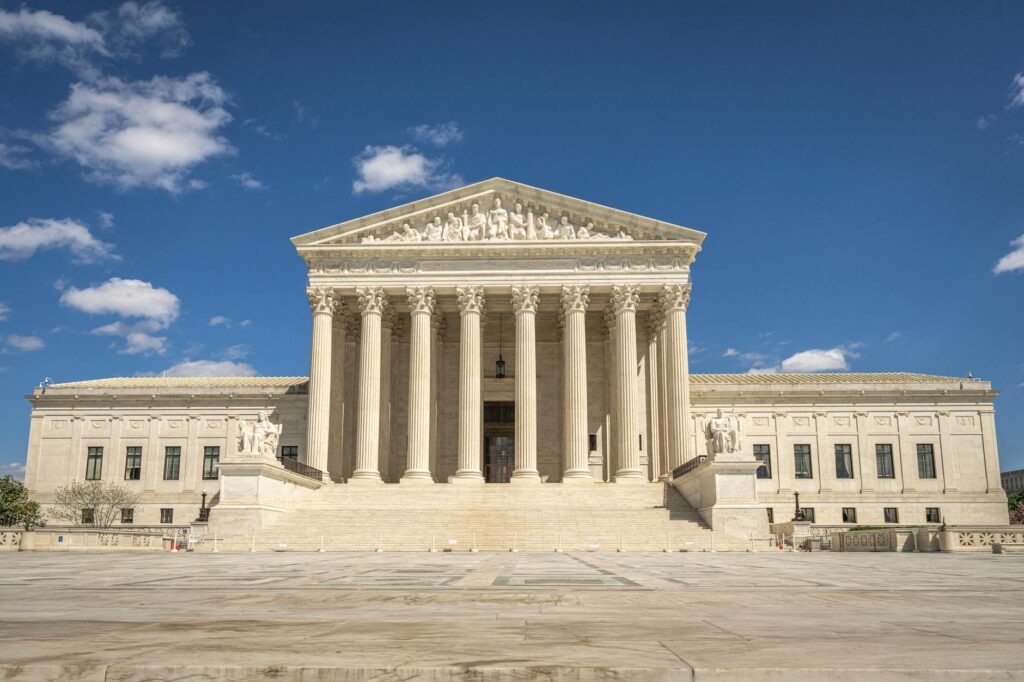
Supreme Court Birthright Citizenship: A Constitutional Crossroads
The bedrock principle of birthright citizenship, long considered a cornerstone of American identity, is once again at the center of a national debate, potentially heading towards a critical juncture before the Supreme Court. This fundamental right, often encapsulated by the Latin phrase jus soli (right of soil), grants citizenship to nearly all individuals born within the territorial limits of the United States. However, recent legal challenges and political discussions have cast a shadow of uncertainty over its universality, prompting the historical, legal, and constitutional underpinnings of this essential tenet.
Last updated: April 20, 2026
At the heart of the evolving legal discussion is the interpretation of the Fourteenth Amendment, In particular its Citizenship Clause. This amendment, ratified in 1868, states, “All persons born or naturalized in the United States, and subject to its jurisdiction, are citizens of the United States and of the State wherein they reside.” For generations, this language has been understood to confer automatic citizenship upon individuals born in the U.S., regardless of their parents’ immigration status. Yet, dissenting interpretations are gaining traction, suggesting that the clause may not be as absolute as commonly believed, especially when considering the concept of ‘domicile’ and the jurisdiction to which individuals are subject.
what’s Birthright Citizenship and How is it Defined?
Birthright citizenship is the legal right of a person to be a citizen of a country based on being born there. In the United States, this principle is primarily rooted in the Citizenship Clause of the Fourteenth Amendment to the Constitution. This clause, intended to ensure that formerly enslaved people were recognized as full citizens, has been consistently interpreted by courts, including the Supreme Court itself in cases like United States v. Wong Kim Ark (1898), to grant citizenship to virtually everyone born on U.S. soil. The key phrase, “subject to its jurisdiction,” is central to the current debate. Opponents argue that it excludes individuals whose parents aren’t legal residents or citizens, thus not fully subject to U.S. law in a way that warrants automatic citizenship.
The United States is one of a minority of countries that practices birthright citizenship based on the principle of jus soli. Many other nations, especially in Europe, follow a system of jus sanguinis (right of blood) — where citizenship is determined by the nationality of one or both parents. This divergence in legal traditions highlights the unique nature of the American approach and the potential implications if it were to be altered.
The Fourteenth Amendment and the ‘Subject to its Jurisdiction’ Clause
The most significant legal battleground concerning birthright citizenship revolves around the phrase “subject to its jurisdiction” within the Fourteenth Amendment. While the prevailing legal understanding for over a century has been that anyone born within U.S. territory is automatically subject to its jurisdiction, some legal scholars and politicians have posited alternative interpretations. These interpretations suggest that “subject to its jurisdiction” may imply more than just physical presence. it could require a form of allegiance or legal status by the parents that’s not met by individuals whose parents are undocumented immigrants or foreign nationals on temporary visas.
This narrow interpretation posits that children born to parents who aren’t lawful permanent residents or citizens aren’t fully “subject to the jurisdiction” of the United States, and therefore, not entitled to automatic citizenship under the Fourteenth Amendment. Proponents of this view often cite historical context and specific legal treatises to support their claims. However, this perspective stands in stark contrast to the broad consensus established by decades of legal precedent and Supreme Court rulings. The Wong Kim Ark decision, for instance, directly addressed the status of a child born in the U.S. to Chinese parents who were resident aliens, affirming that the child was a U.S. citizen.
The Role of ‘Domicile’ in the Birthright Citizenship Debate
A critical element emerging in discussions about birthright citizenship, especially Given potential Supreme Court review, is the concept of “domicile.” SCOTUSblog, in its analysis of recent legal arguments, highlighted how the definition and application of “domicile” could become a deciding factor in future cases. Domicile refers to a person’s permanent home, the place where they intend to remain and to which they intend to return when they’re absent.
Some legal theorists argue that if parents don’t have a legal domicile in the United States, their children born within the country might not be considered “subject to its jurisdiction” in the manner intended by the Fourteenth Amendment. This line of reasoning suggests that a person’s physical presence doesn’t automatically equate to being subject to the full legal jurisdiction required for citizenship if their presence is temporary or lacks the permanence implied by domicile. This interpretation could create a significant loophole, potentially affecting millions born in the U.S. to non-citizen parents.
The debate over domicile is complex, as it involves not only legal status but also intent and permanence. Critics of this interpretation argue that it attempts to redefine established legal principles based on a selective reading of history and legal text, potentially leading to a stateless population or a permanent underclass of citizens. The implications for national identity, social cohesion, and international relations would be profound.
Recent Political and Legal Challenges
The current fervor surrounding birthright citizenship has been amplified by political rhetoric and attempted policy shifts. Former President Donald Trump, during his administration, openly questioned the principle of birthright citizenship and suggested that it could be ended through executive action or judicial interpretation. This stance has garnered support from a cohort of prominent legal scholars who believe the Supreme Court should revisit and potentially overturn established interpretations of the Fourteenth Amendment, as reported by Fox News. These scholars often argue that the original intent of the amendment wasn’t to grant automatic citizenship to children of undocumented immigrants.
This push for reinterpretation has led to various legal challenges and discussions in lower courts, though a definitive Supreme Court ruling on the matter has been absent for decades. The potential for the issue to reach the Supreme Court again is high, especially if new cases arise that directly challenge the status of U.S.-born children of non-citizens. The political climate, including debates around immigration policy and border security—as seen in discussions surrounding the funding of the Department of Homeland Security (DHS) as reported by The Guardian—often intersects with the birthright citizenship debate, making it a highly charged issue.
The question of whether SCOTUS siding with a particular interpretation could lead to people losing their birthright citizenship is a significant concern, as highlighted by MS NOW. While a direct stripping of citizenship is legally complex, a redefinition of the criteria for birthright citizenship could, in effect, deny it to future generations born in the U.S. to certain categories of non-citizens. This scenario raises alarms about creating a tiered system of citizenship and potentially revoking a right that has been a cornerstone of American society.
Key Legal Cases and Precedents
The legal foundation for birthright citizenship in the United States is largely built upon the Fourteenth Amendment and cemented by landmark Supreme Court decisions. The most key case is United States v. Wong Kim Ark, decided in 1898. Wong Kim Ark was born in San Francisco in 1871 to parents who were Chinese nationals and lawfully domiciled in the United States. Despite being born on U.S. soil, he was denied re-entry after a trip to China because of the Chinese Exclusion Act. The Supreme Court ruled 6-2 in his favor, affirming that birth in the United States, regardless of parental nationality or status, conferred citizenship under the Fourteenth Amendment.
The Court’s reasoning in Wong Kim Ark emphasized the principle of jus soli and the meaning of “subject to its jurisdiction.” It concluded that individuals born within U.S. territory — who owed allegiance to the United States, were citizens. The ruling explicitly rejected the idea that the children of foreign nationals residing in the U.S. weren’t subject to its jurisdiction. This precedent has largely stood for over a century, forming the bulwark against challenges to birthright citizenship.
However, the debate persists, with some legal scholars and commentators arguing that Wong Kim Ark was wrongly decided or that its interpretation of “subject to its jurisdiction” doesn’t adequately account for the nuances of modern immigration and the intent behind the Fourteenth Amendment. They suggest that perhaps the Supreme Court, or a future iteration of it, might revisit this precedent, especially if presented with a case that compellingly argues for a narrower reading of the amendment, potentially focusing on the concept of parental domicile or legal status.
Implications of a Shift in Birthright Citizenship
A significant shift in the Supreme Court’s interpretation of birthright citizenship would have profound and far-reaching consequences for millions of individuals and the fabric of American society. If the Court were to rule that birthright citizenship isn’t automatically granted to children born in the U.S. to non-citizen parents, it could lead to a substantial population of individuals born in the United States who aren’t citizens. This could create a permanent class of non-citizen residents, potentially without a clear path to citizenship, leading to social stratification and complex legal challenges.
The economic impact would also be considerable. Denying citizenship could affect individuals’ ability to work legally, access education, and participate fully in the economy. This could lead to a larger informal economy and increased reliance on social services, while simultaneously reducing the tax base. Also, the United States’ global image and its standing as a beacon of liberty and opportunity could be tarnished.
The legal scholar Amy Coney Barrett, during her tenure on federal courts before her Supreme Court appointment, reportedly explored arguments against the broad interpretation of birthright citizenship, as noted by Slate. Her questioning in a specific case, the details of which are subject to legal reporting, highlighted that even respected legal minds engage with these complex constitutional questions. Any future Supreme Court decision to alter the long-standing interpretation would likely be met with intense public scrutiny, widespread protests, and potentially extensive legislative efforts to address the resulting legal and social landscape.
The Path Forward: What to Watch
The future of birthright citizenship in the United States hinges on potential legal challenges that could make their way to the Supreme Court. While no current case directly on the issue is definitively poised for a Supreme Court hearing, the ongoing legal and political discourse suggests the possibility is real. Legal scholars are closely monitoring cases that might touch upon the interpretation of the Fourteenth Amendment or the definition of “jurisdiction” in the context of immigration and citizenship.
The political arena also matters a lot. Any legislative attempts to alter birthright citizenship would face immense constitutional hurdles and likely be challenged in court. However, political pressure can influence judicial appointments and shape the legal arguments presented to the courts. The stance of future presidential administrations and congressional majorities will impact the trajectory of this debate. As reported by The American Conservative, the argument that the Constitution doesn’t grant universal birthright citizenship continues to be debated among legal circles, indicating that the issue is far from settled in the minds of all constitutional interpreters.
In the end, any definitive change to birthright citizenship would require a Supreme Court decision that either overturns or reinterprets Wong Kim Ark and subsequent related rulings. Until such a case is brought forth and decided, the principle of jus soli, as understood for generations, remains the law of the land. The current debate, however, highlights the dynamic nature of constitutional law and its capacity to be re-examined Given evolving societal views and political pressures.
Frequently Asked Questions
Does the U.S. Constitution guarantee birthright citizenship?
Yes, the Fourteenth Amendment to the U.S. Constitution, ratified in 1868, states that “All persons born or naturalized in the United States, and subject to its jurisdiction, are citizens of the United States and of the State wherein they reside.” This clause has been widely interpreted to guarantee birthright citizenship for nearly everyone born on U.S. soil.
what’s the significance of the term “subject to its jurisdiction”?
The phrase “subject to its jurisdiction” is central to the debate over birthright citizenship. The prevailing legal interpretation, affirmed by the Supreme Court in United States v. Wong Kim Ark (1898), holds that it includes anyone born within U.S. territory, regardless of their parents’ immigration status, thus granting them citizenship.
Could the Supreme Court end birthright citizenship?
While the Supreme Court has the power to interpret the Constitution, ending birthright citizenship would require overturning or reinterpreting established precedent, most notably the 1898 Wong Kim Ark ruling. This would be a monumental legal shift, and any such decision would likely face intense scrutiny and legal challenges.
what’s the concept of ‘domicile’ in relation to citizenship?
Domicile refers to a person’s permanent home and their intention to remain there. Some legal arguments suggest that if parents don’t have a legal domicile in the U.S., their children born in the U.S. might not be considered fully “subject to its jurisdiction” for the purposes of automatic citizenship, though this is a contested interpretation.
How do other countries handle birthright citizenship?
Many countries, especially in Europe, primarily follow jus sanguinis (right of blood) — where citizenship is determined by the nationality of the parents. The United States’ adherence to jus soli (right of soil) makes it one of the few nations with a broad, automatic birthright citizenship policy for those born within its borders.
A Nation’s Identity at Stake
The ongoing discourse surrounding supreme court birthright citizenship is more than just a legal debate. it touches upon the very essence of American identity and its foundational principles. For over a century, the promise of being a citizen by virtue of being born on U.S. soil has been a powerful symbol of inclusion and opportunity. While legal challenges and evolving interpretations are a natural part of constitutional law, any move to alter this fundamental right warrants the utmost scrutiny and careful consideration of its profound societal implications.