
Namibia’s Southern Charm: A Traveler’s Guide
Namibia southern Africa is a land of stark beauty and profound silence, a destination that captivates with its vast desert expanses, unique wildlife, and striking geological formations. Unlike its more bustling neighbours, Namibia offers an experience of raw, untamed nature, perfect for those seeking a profound connection with the wild. From the iconic red dunes of Sossusvlei to the immense Fish River Canyon, this region promises an adventure unlike any other. But planning a trip to such a remote and diverse country requires careful consideration. This guide will help you Handle the essentials, ensuring your Namibian journey is both breathtaking and smoothly executed.
Last updated: April 22, 2026
Namibia southern Africa is a premier destination for unparalleled desert landscapes and diverse wildlife encounters. Visitors can expect iconic sights such as Sossusvlei’s towering dunes and the dramatic Fish River Canyon, alongside opportunities for thrilling safari adventures. The best time to visit for pleasant weather and game viewing is typically the dry season, from May to October.
Why Choose Namibia Southern Africa for Your Next Adventure?
The allure of Namibia southern Africa lies in its sheer scale and unique environmental contrasts. It’s a place where the desert meets the sea, and ancient geological wonders stand testament to millions of years of Earth’s history. This isn’t a destination for a fleeting visit. it’s a place that demands you slow down, absorb the immense silence, and appreciate the resilience of life in arid conditions. The country boasts an impressive array of national parks and conservancies, many of which are managed with a strong focus on conservation and community involvement. According to the International Union for Conservation of Nature (IUCN) (2023), Namibia has made significant strides in conservation, especially regarding black rhinos and desert-adapted elephants, making it a model for sustainable tourism in Africa.
Planning Your Itinerary: Key Regions and Attractions
When considering Namibia southern Africa, several key areas stand out, each offering a distinct experience. Your itinerary will likely revolve around these prime locations.
The Namib Desert and Sossusvlei
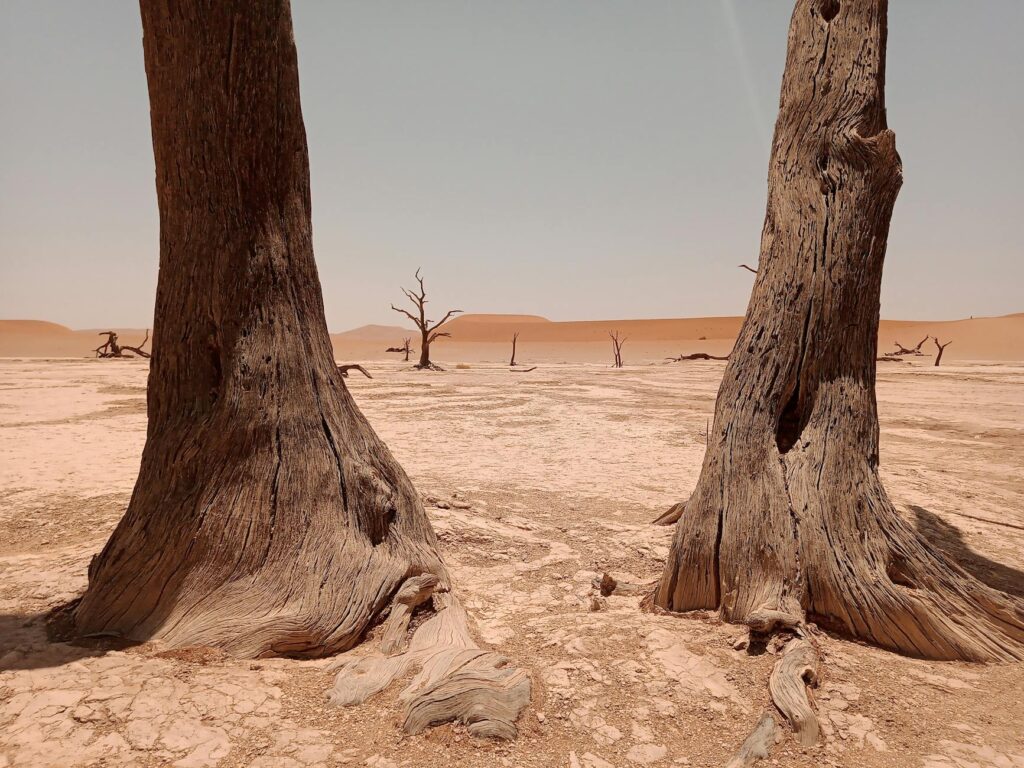
No trip to southern Namibia is complete without witnessing the surreal beauty of Sossusvlei. Located within the Namib-Naukluft National Park, this iconic salt pan is surrounded by some of the highest sand dunes in the world. Dune 45 is a popular spot for sunrise climbs, offering breathtaking panoramic views as the desert awakens. Nearby, Deadvlei presents a stark, almost lunar landscape with ancient camel thorn trees silhouetted against the vibrant red sand. Plan for at least two full days here to truly appreciate the scale and colours of this magnificent desert. Remember to bring plenty of water. the desert sun is intense.
Fish River Canyon
As the second-largest canyon in the world, the Fish River Canyon in theǁAi-ǁAis/Richtersveld Transfrontier Park is a geological marvel. Its immense scale and rugged beauty are awe-inspiring. While the full 90km hike is only permitted for experienced hikers during the cooler months (typically April to September) and requires a permit obtained from Namibia Wildlife Resorts (NWR), the viewpoints along the rim offer spectacular vistas for all visitors. The geological formations here are estimated to be around 650 million years old, as noted by geological surveys of the region.
Swakopmund and Walvis Bay
These coastal towns offer a refreshing contrast to the desert interior. Swakopmund, with its German colonial architecture, provides a charming base for surrounding Skeleton Coast. Activities abound, including quad biking on the dunes, sandboarding, kayaking with seals in Walvis Bay, and boat trips to spot dolphins, whales (in season), and diverse birdlife. The Benguela Current provides a cooling effect, making these coastal areas milder than inland Namibia.
Wildlife Viewing: Beyond the Usual Safari
While Namibia might not have the sheer density of big game found in some East African parks, its wildlife viewing opportunities are unique and deeply rewarding. The country’s protected areas are teeming with life, including species uniquely adapted to arid environments.
Etosha National Park
Although slightly north of what’s typically considered “southern” Namibia, Etosha National Park is a must-visit for any wildlife enthusiast. Its vast salt pan attracts a remarkable concentration of animals, especially during the dry season — which usually runs from June to October. Waterholes become natural gathering points for elephants, lions, giraffes, zebras, rhinos, and numerous antelope species. The park offers a variety of accommodation, from rustic campsites to comfortable lodges. According to Etosha National Park Official Website (n.d.), over 114 mammal species have been recorded here.
Desert-Adapted Wildlife
Namibia is famous for its desert-adapted wildlife, including elephants, lions, and rhinos that have evolved to survive in the harsh Namib Desert. Tracking these elusive creatures, especially in areas like Damaraland, offers an intimate and unforgettable wildlife experience. Here’s often done on guided 4×4 excursions, providing a chance to learn about their survival strategies from expert local guides.
Practical Tips for Your Namibian Journey
Visiting Namibia southern Africa requires preparation. Here are some practical tips to ensure a smooth and enjoyable trip.
Getting Around
The distances in Namibia are vast. A 4×4 vehicle is highly recommended, especially if you plan to explore off the main roads or visit areas like Sossusvlei or Damaraland. Renting a reliable vehicle, such as a Toyota Hilux or similar, from reputable companies like Namibia Self-Drive (a common provider for this region), is a popular choice. Always ensure you have a spare tyre, sufficient water, and fuel. Self-driving allows for flexibility, but always check road conditions beforehand, especially during the rainy season (November to April), when some roads can become impassable.
Accommodation Options
Namibia offers a diverse range of accommodation, from luxury lodges and comfortable guesthouses to basic campsites. Booking in advance is Key, especially during peak season (June to October), as popular lodges and camps can fill up months ahead. Options range from the upscale amenities at lodges like the andBeyond Sossusvlei Desert Lodge to the more rustic charm of national park rest camps managed by NWR.
What to Pack
Packing for Namibia involves layers. Days can be hot, especially in the desert, while nights can become surprisingly cold. Essential items include:
- Lightweight, neutral-coloured clothing for daytime.
- Warm layers (fleece, jacket) for mornings and evenings.
- A wide-brimmed hat and sunglasses.
- High SPF sunscreen.
- Sturdy walking shoes.
- A good quality camera with plenty of memory cards and extra batteries.
- A reusable water bottle.
- Binoculars for wildlife viewing.
Health and Safety
Namibia is generally a safe country for tourists, but standard precautions apply. Be aware of your surroundings, especially in towns. Malaria is a risk in the northern parts of the country, including Etosha, so consult your doctor about malaria prophylaxis and other vaccinations well in advance of your trip. According to the Centers for Disease Control and Prevention (CDC) (2023), travellers should discuss malaria prevention with a healthcare provider.
Cultural Encounters in Southern Namibia
Beyond the landscapes and wildlife, Namibia offers rich cultural experiences. You can visit traditional Himba villages (though these are more common further north) or engage with the San people, some of the oldest inhabitants of southern Africa. Learning about their traditional ways of life, their deep connection to the land, and their survival skills provides a profound perspective on human resilience. Many lodges and tour operators facilitate respectful cultural interactions, ensuring these encounters benefit the communities involved.
When is the Best Time to Visit Namibia Southern Africa?
The ideal time to visit Namibia southern Africa largely depends on your priorities. The dry season, from May to October, is considered the prime time for wildlife viewing, as animals congregate around water sources. The weather is generally pleasant, with warm days and cool nights. However, this is also peak tourist season, meaning higher prices and the need for early bookings. The shoulder seasons (April and November) can offer a good balance of decent weather and fewer crowds. The rainy season (December to March) brings lush green landscapes and is ideal for birdwatching and photographers, but it can make travel more challenging due to road conditions and heat, especially in the deep desert.
Frequently Asked Questions
Is Namibia southern Africa safe for tourists?
Namibia is considered one of the safest countries in Africa for tourists. Standard safety precautions, such as avoiding walking alone at night in urban areas and securing valuables, are recommended. Road safety, however, requires vigilance due to long distances and potential wildlife on roads.
what’s the currency in Namibia?
The Namibian Dollar (NAD) is the official currency and is pegged at par with the South African Rand (ZAR). Both currencies are accepted throughout Namibia. ATMs are available in most towns, but it’s advisable to carry some cash, especially when travelling to remote areas.
Do I need a visa to visit Namibia?
Visa requirements vary by nationality. Many nationalities, including those from the EU, the UK, the US, and Canada, can enter Namibia visa-free for tourism purposes for up to 90 days. Always check the latest visa regulations with the Namibian embassy or consulate in your country before travelling.
What are the essential items for a Namibian safari?
Essential items include lightweight, neutral-coloured clothing, warm layers for cooler evenings, a wide-brimmed hat, sunglasses, high-SPF sunscreen, sturdy walking shoes, binoculars, a camera with extra batteries, and a reusable water bottle. Insect repellent is also advisable, especially during the warmer months.
How much does a trip to Namibia southern Africa typically cost?
Costs vary widely depending on your travel style, accommodation choices, and activities. Budget travellers can expect to spend around $80-150 USD per person per day, while mid-range travellers might budget $200-400 USD, and luxury travellers can expect upwards of $500+ USD per person per day. This includes accommodation, car rental, fuel, food, and activities.
start Your Namibian Adventure
Namibia southern Africa is a destination that truly stays with you. Its vastness, silence, and raw beauty offer a profound escape from the everyday. Whether you’re captivated by the towering dunes of Sossusvlei, the dramatic expanse of Fish River Canyon, or the unique desert-adapted wildlife, this country promises an unforgettable journey. Proper planning is key to unlocking its full potential. By considering the best times to visit, reliable transportation, suitable accommodation, and essential packing items, you’ll be well-equipped to embrace the spirit of adventure that Namibia embodies. Prepare for a trip that will challenge your perceptions and leave you with a deep appreciation for the wild heart of southern Africa.
Editorial Note: This article was researched and written by the Higher Intentions editorial team. We fact-check our content and update it regularly. For questions or corrections, contact us.