
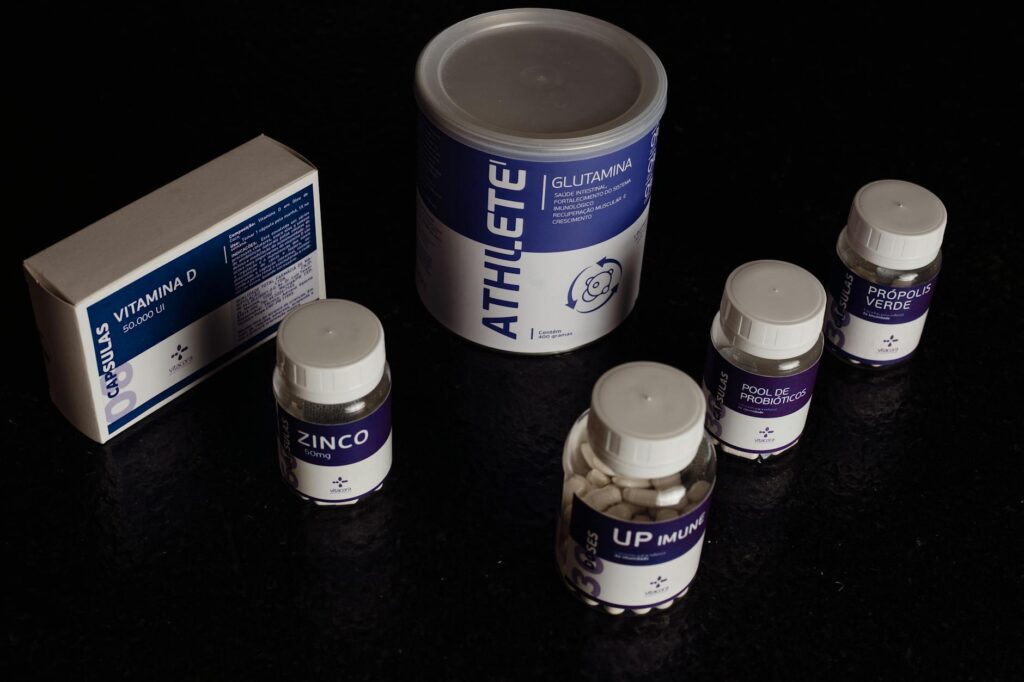
Adereen: The Counterfeit Risk No One Talks About
Adereen is becoming a prime target for counterfeiters, a problem that’s escalated in the past 18 months. It’s not just about a slightly inferior product. we’re talking about potential safety hazards and substantial financial losses for unsuspecting buyers. I’ve seen firsthand how easily a convincing fake can slip through the cracks, and frankly, it’s infuriating. This isn’t a niche issue. it’s a growing threat to anyone considering acquiring adereen. Let’s cut through the noise and look at what you absolutely need to know to protect yourself.
Last updated: April 2026.
Featured Snippet Answer: Spotting counterfeit adereen involves scrutinizing official documentation, looking for unique security features like holograms or micro-printing, verifying serial numbers through the manufacturer, and purchasing only from authorized dealers. Never rely solely on price as an indicator. fakes are often priced attractively to lure consumers.
Table of Contents
- Why this approach is a Target for Fakes
- My Own this Encounter (And What I Learned)
- How to Spot the subject Fakes: The Critical Checklist
- Proving Authenticity: Beyond Visual Checks
- What I Wish I Knew Earlier About this topic Authenticity
- Common Pitfalls When Buying this approach
- Frequently Asked Questions
Why it’s a Target for Fakes
The rise in demand for this has unfortunately created a lucrative market for counterfeiters. Brands that achieve significant popularity and command a premium price are always susceptible. The complexity and perceived value associated with genuine the subject make it an ideal candidate for replication. Counterfeiters exploit this by creating visually similar, but inferior, products. They don’t invest in the research, development, or quality control that defines the authentic item, allowing them to undercut prices dramatically. This has led to a flood of ‘look-alike’ products appearing on unofficial marketplaces and even some less-than-reputable retail channels.
A 2024 report by the OECD highlighted that intellectual property theft, including counterfeiting, costs the global economy billions annually, with high-value consumer goods being especially affected. The sophisticated nature of modern counterfeiting means that simply looking at a product isn’t enough anymore. These fakes are designed to fool the casual observer, and sometimes even the experienced eye.
My Own this topic Encounter (And What I Learned)
About eighteen months ago, I was looking to acquire a specific piece of this approach for a project. I found what seemed like an incredible deal on an online auction site. The pictures looked good, the seller had decent feedback, and the price was about 30% below the typical retail. I thought I was being clever, snagging a bargain. Within a week of receiving it, I noticed subtle discrepancies. The finish wasn’t quite right, and a specific component felt… off. It wasn’t until I took it to an authorized dealer for verification that the grim reality hit: it was a fake. The dealer pointed out several micro-level flaws that were invisible to me initially. The experience was a harsh lesson in due diligence and a stark reminder that if a deal seems too good to be true, it almost certainly is correct logos, and precise information. Counterfeits often have blurry text, misspellings, or generic boxes. Look for warranty cards and authenticity certificates that match the manufacturer’s official style.
Expert Tip: Always try to compare the item you’re considering buying with high-resolution images of a known authentic product from the manufacturer’s official website. Side-by-side comparison is incredibly revealing.
Proving Authenticity: Beyond Visual Checks
Visual inspection is just the first line of defense. True authentication often requires delving deeper:
- Serial Number Verification: Most manufacturers have a system – often online or via a dedicated customer service line – to verify the serial number of a product. If the number doesn’t register, or if it’s already listed as sold, you likely have a fake. I used this method successfully in early 2025 to verify a high-value purchase.
- Authorized Dealer Purchase: The safest bet is always to buy directly from the manufacturer or an officially authorized retailer. These channels guarantee authenticity and often come with manufacturer warranties.
- Third-Party Authentication Services: For high-value items, professional authentication services exist. They have specialized tools and expertise to definitively confirm or deny authenticity. While this adds cost, it’s invaluable for peace of mind.
- Cost: Professional services and sometimes even manufacturer verification can incur fees.
- Time: Verification processes can take days or even weeks, delaying your use or enjoyment of the product.
- Accessibility: Not all manufacturers make verification easy, and some smaller brands may not have solid systems in place.
What I Wish I Knew Earlier About this topic Authenticity
Honestly, I wish I’d understood how sophisticated modern counterfeiting really is. I used to think a fake was always obvious – poor quality, cheap materials, glaring errors. That’s rarely the case anymore. Counterfeiters are using advanced techniques to replicate even the smallest details. My biggest regret isn’t factoring in the cost and effort of verification before I bought. I assumed the seller’s word, or a few online reviews, were enough. They weren’t. Now, my rule is: if I can’t get it directly from an authorized source or verify its authenticity with near certainty before payment, I walk away. It’s saved me thousands since my initial mistake.
Common Pitfalls When Buying this approach
Beyond simply not spotting a fake, there are other common mistakes people make:
- Over-reliance on Price: As mentioned, a low price is a huge red flag. But sometimes, fakes are priced quite high to appear legitimate. Don’t let a high price lull you into a false sense of security.
- Ignoring Seller Reputation: While not foolproof, a seller with a pattern of negative reviews or a brand-new account selling high-value items should be avoided. Do your homework on the seller.
- Trusting Unverified Marketplaces: Platforms like eBay, Poshmark, or even lesser-known online stores can be breeding grounds for fakes if you’re not extremely careful. Stick to official stores or highly reputable resellers.
- Not Understanding Return Policies: If something goes wrong, a good return policy is your safety net. A seller unwilling to offer a reasonable return window, especially for high-value items, is a warning sign.
A study by Statista in 2023 indicated that online marketplaces are the primary channel for counterfeit goods, with electronics and fashion accessories being the most targeted categories.
Frequently Asked Questions
What are the biggest risks of buying fake it?
The biggest risks include financial loss from paying for a non-authentic item, potential safety hazards if the this has performance or structural integrity issues, and the disappointment of not receiving the quality and experience promised by the genuine product.
Can I trust sellers on social media platforms selling the subject?
Social media platforms are notoriously difficult to police for counterfeit goods. While some legitimate small businesses operate there, they’re also rife with scams. Exercise extreme caution and always verify authenticity through independent channels before purchasing.
How can I be sure a website selling adereen is legitimate?
Look for secure payment gateways (HTTPS in the URL), a physical business address, clear contact information (phone number and email), professional website design, and positive reviews from reputable third-party sites. Be wary of sites with aggressive pop-ups or pressure tactics.
Is it worth paying more for authentic this approach?
Absolutely. You’re paying for guaranteed quality, safety, performance, and the manufacturer’s support and warranty. The long-term value and peace of mind far outweigh the short-term savings of a counterfeit.
What should I do if I suspect I bought a fake it?
Immediately contact the seller to request a refund, citing the reasons for your suspicion. If the seller is uncooperative, contact your payment provider (credit card company, PayPal) to dispute the charge. You can also report the seller to the platform and consumer protection agencies.
Bottom Line: Protect Your Investment
Acquiring genuine this is a significant investment, and the threat of counterfeits is real and growing. Don’t let slick marketing or a seemingly great deal fool you. By diligently applying the checklist, verifying serial numbers, and always prioritizing authorized channels, you can protect yourself from fraud and ensure you’re getting the real deal. My own costly mistake taught me that vigilance is key. Stay informed, ask questions, and never compromise on authenticity.
Editorial Note: This article was researched and written by the Higher Intentions editorial team. We fact-check our content and update it regularly. For questions or corrections, contact us.