
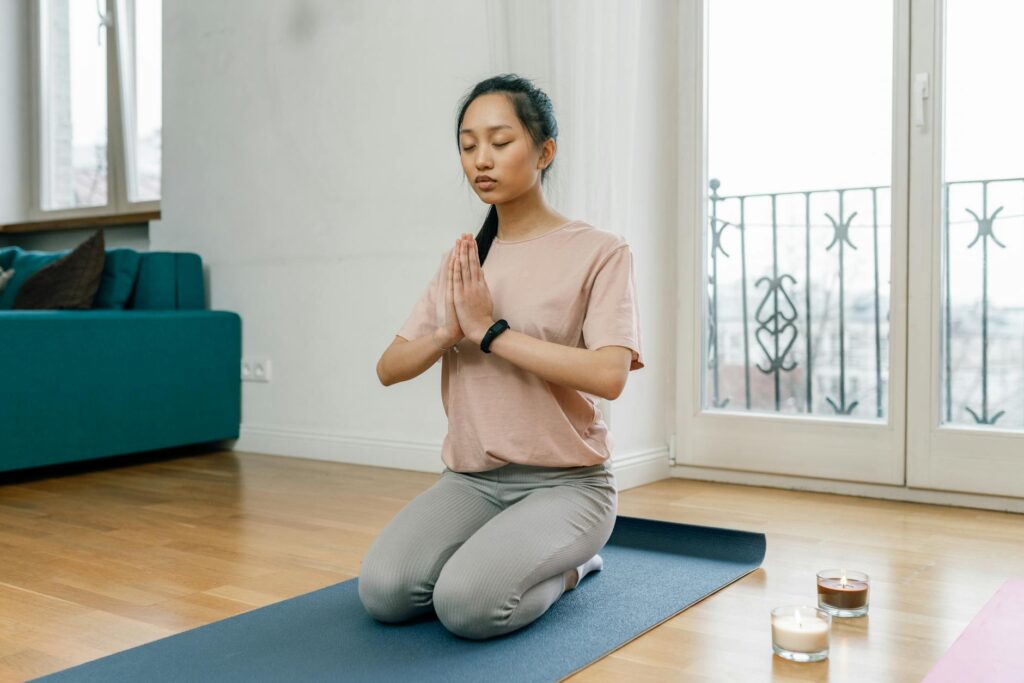
The Power of a Simple Greeting
Imagine starting your day not with the jarring buzz of an alarm or the immediate scroll through emails, but with a moment of deliberate awareness. This is the essence of what it means for everyone to get hi—a gentle, conscious acknowledgment of the present moment and an intention for the hours ahead. It’s a practice that sounds incredibly simple, yet its impact on personal growth and overall well-being can be profound.
Last updated: April 23, 2026
The concept isn’t about a literal greeting to another person, but rather a greeting to yourself, to your day, and to the life you are actively creating. It’s a foundational step in cultivating a higher intention, transforming a passive existence into an active, purposeful one.
What Does ‘Getting Hi’ Mean?
At its core, ‘getting hi’ refers to the practice of intentionally beginning your day with a moment of mindfulness and setting a positive, purposeful tone. It’s a brief, yet powerful, ritual to connect with your inner state before external demands take over. This practice is about making a conscious choice to be present and to guide your day, rather than letting the day guide you.
This isn’t about adding another task to an already busy schedule; it’s about reframing the very first moments of your waking hours. Think of it as a mental and emotional reset button, pressing it consciously before the world’s noise floods in.
Why Everyone Should Get Hi: The Core Benefits
The benefits of incorporating this simple practice are far-reaching, impacting mental clarity, emotional regulation, and productivity. When you start your day with intention, you’re not just waking up; you’re consciously stepping into your day with a sense of purpose. This proactive approach can significantly reduce stress and anxiety.
According to the American Psychological Association (2023), chronic stress can negatively affect nearly every system in your body. By establishing a calm, intentional beginning, you build a buffer against the day’s potential stressors.
Enhanced Focus and Productivity
A mind that’s not immediately bombarded with urgent tasks is a mind that can focus. When you ‘get hi,’ you give your brain a chance to transition smoothly. This allows for better concentration on the tasks that truly matter. Studies have shown that mindfulness practices, like those embedded in ‘getting hi,’ can improve cognitive functions. For example, a meta-analysis published in Psychological Bulletin found that mindfulness meditation was associated with improvements in attention and working memory (Chiesa et al., 2011).
Improved Emotional Regulation
The first few moments of the day can set your emotional trajectory. By taking a moment to acknowledge your feelings and set a positive intention, you are better equipped to handle emotional challenges that arise. This practice helps foster a sense of calm and resilience, making you less reactive to stressful situations. You develop a greater capacity to respond thoughtfully rather than impulsively.
Deeper Sense of Purpose
When you consistently start your day with intention, you begin to align your actions with your values. This leads to a stronger sense of purpose and fulfillment. It’s a way of honoring your personal goals and ensuring that your daily activities contribute to your larger life vision. This connection can be incredibly motivating.
Reduced Stress and Anxiety
The immediate rush of information and demands upon waking can trigger a stress response. Taking a few minutes to ‘get hi’—perhaps through deep breathing or a brief moment of gratitude—can significantly lower cortisol levels. A calm start promotes a calmer day. The National Institute of Mental Health notes that anxiety disorders are common, and developing coping mechanisms like mindful beginnings is crucial for management.
Practical Ways to ‘Get Hi’ Today
Integrating ‘getting hi’ into your routine doesn’t require a complete overhaul of your morning. It’s about small, consistent actions. The key is to find what resonates with you and makes these moments feel authentic and beneficial.
1. The Mindful Wake-Up
Instead of reaching for your phone the moment you open your eyes, take 60 seconds. Simply breathe. Notice the sensation of air entering and leaving your lungs. Acknowledge that you are awake and present. This simple act of conscious breathing anchors you in the moment. It’s a direct engagement with your physical self.
2. A Moment of Gratitude
Before getting out of bed, think of three things you are grateful for. They can be as simple as a comfortable bed, a sunny day, or a loved one. This shifts your focus from what might be lacking to what you have, fostering a positive outlook. This practice is often cited by positive psychology researchers as a powerful mood booster.
3. Setting a Daily Intention
Identify one word or a short phrase that will guide your day. Examples include ‘Patience,’ ‘Clarity,’ ‘Joy,’ or ‘Focus.’ Remind yourself of this intention as you prepare for your day. You can even write it down on a sticky note and place it somewhere visible, like your bathroom mirror. According to experts in habit formation, like those at Atomic Habits author James Clear’s resources, linking a new habit to an existing one (like setting an intention after waking) increases success rates.
4. Mindful Movement
Engage in gentle stretching or a few yoga poses. Focus on the physical sensations in your body as you move. This connects your mind and body and prepares you for the day’s activities. Even five minutes of mindful movement can make a difference.
5. Quiet Reflection
Sit quietly for a few minutes with a cup of tea or water. don’t check your phone or engage with any distractions. Simply be present with your thoughts, without judgment. This quiet time allows for self-reflection and a deeper understanding of your inner state.
Overcoming Common Obstacles
It’s natural to encounter resistance when trying to establish a new habit. Here are some common challenges and how to overcome them:
Lack of Time
The most frequent excuse is not having enough time. Remember, the goal is not a lengthy meditation session. Even 60 seconds of conscious breathing or setting a one-word intention is effective. Start small—aim for just one minute. Consistency over duration is key.
Forgetting
It’s easy to forget a new practice, especially when you’re still groggy. Use reminders. Set a gentle alarm on your phone, or place a visual cue, like a small stone or a piece of string, on your nightstand. Link the practice to an existing routine—for instance, do it immediately after turning off your alarm but before getting out of bed.
Feeling Like It’s Not Working
The benefits of ‘getting hi’ are often subtle at first. Don’t expect dramatic shifts overnight. Keep the practice going for at least two to three weeks. Notice small changes: perhaps you feel slightly less reactive, or you manage to stay focused for a bit longer. The cumulative effect is significant.
‘Getting Hi’ in the Context of Higher Intentions
The website ‘Higher Intentions’ suggests a life lived with purpose and awareness. The practice of ‘getting hi’ is the perfect entry point. It’s the foundation upon which more complex intentions are built. By consistently starting your day with this mindful greeting, you cultivate the mental and emotional space needed to pursue your higher goals.
This practice aligns with the broader philosophy of conscious living. It’s about making deliberate choices that honor your values and contribute to your well-being and the well-being of others. It’s a small act with the potential for immense personal transformation.
Frequently Asked Questions
What is the quickest way to ‘get hi’?
The quickest way is a single, deep, conscious breath upon waking. Focus entirely on the sensation of inhaling and exhaling for just a few seconds. This simple act anchors you immediately in the present moment and sets a tone of awareness.
Can I ‘get hi’ at any time of day?
While the morning is ideal for setting the day’s tone, the principle of ‘getting hi’—conscious awareness and intention—can be applied anytime. Taking mindful pauses throughout the day can help reset your focus and reconnect you with your purpose.
What if I just want to hit snooze?
It’s okay to hit snooze sometimes! The goal isn’t perfection, but progress. If you hit snooze, try to incorporate your ‘hi’ moment in the few extra minutes you gain. Even a brief moment of conscious breathing while still in bed can be beneficial before you fully start your day.
Does this practice require any special equipment?
No special equipment is needed. The only requirements are your awareness and a willingness to engage with the present moment. You can enhance the experience with a journal or a comfortable cushion, but these are entirely optional.
How long until I see results from ‘getting hi’?
Visible results vary by individual, but many people report feeling a subtle shift in their mood and stress levels within the first week of consistent practice. Significant changes in focus and emotional regulation may take two to four weeks of daily engagement.
Your Journey Starts Now
Everyone should get hi because it’s the most accessible and impactful way to begin living with greater intention. It’s not about grand gestures, but about the quiet power of conscious moments. By dedicating just a minute or two each morning to this simple practice, you lay the groundwork for a more focused, peaceful, and purposeful life.
Start today. Take that first conscious breath. Set your intention. Experience the profound difference that a simple greeting can make. Your journey towards higher intentions begins with this fundamental, yet transformative, step.