
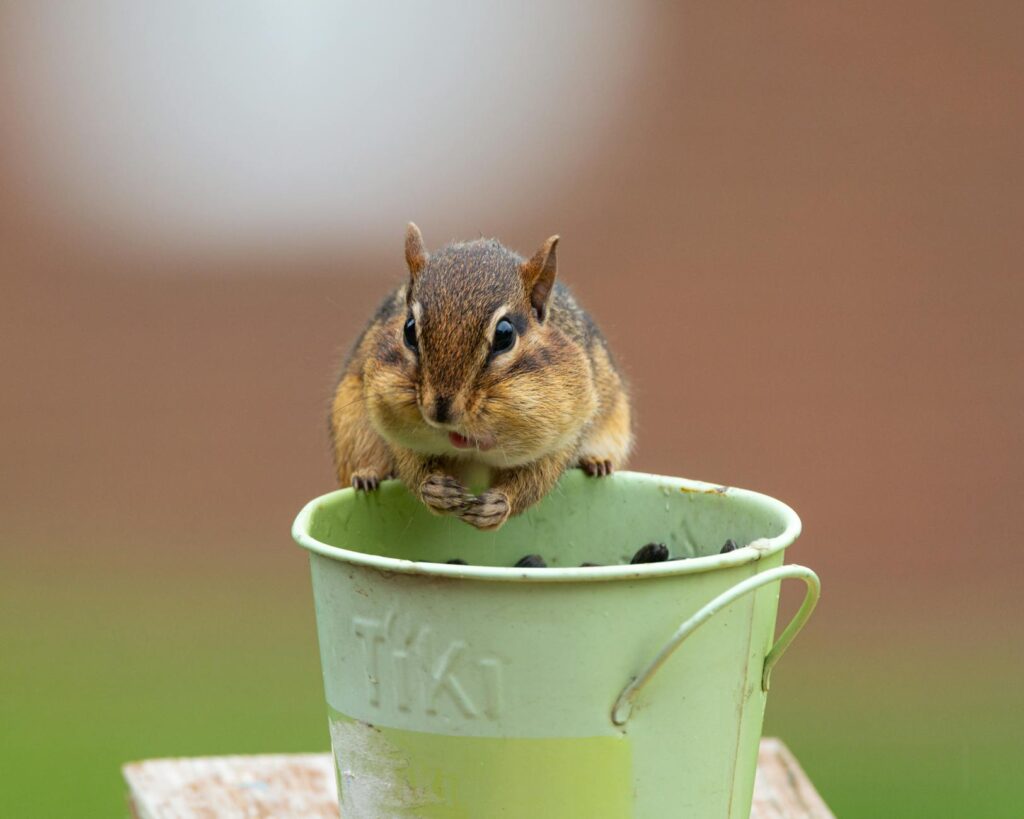
Theodore Chipmunk: Budgeting for Burrow Bliss
So, you’re eyeing a Theodore Chipmunk as your next pet. Awesome! These little guys are bundles of energy and personality. But before you rush out and buy the most elaborate setup you can find, let’s talk brass tacks. Most people assume owning an exotic-ish pet like a chipmunk means a hefty price tag. Honestly? It doesn’t have to. I’ve spent years figuring out the sweet spot between giving these critters a great life and not needing to take out a second mortgage. This isn’t about skimping. it’s about being smart. Let’s get your Theodore Chipmunk living the good life, affordably.
What’s the Real Cost of a Theodore Chipmunk?
Let’s get this straight: a Theodore Chipmunk isn’t a goldfish. You’ll find upfront costs and ongoing expenses. The initial investment can range from $50-$200 for the chipmunk itself, depending on the breeder or source. Then you’ve got the habitat — which is usually the biggest chunk of change. We’re talking anywhere from $150-$500 for a decent setup if you don’t get creative. Food, bedding, and vet care add up monthly. On average, you’re looking at $30-$70 per month after the initial setup. The key is that initial setup cost – that’s where you can save the most.
Housing Hacks: Creating a Cheap Chipmunk Palace
Here’s where most people overspend. Forget those fancy, multi-level rodent mansions that cost a fortune. Your Theodore Chipmunk needs space to climb, burrow, and run, but it doesn’t need to be designer. A large wire cage (at least 2ft x 2ft x 3ft) is essential. Look for cages designed for ferrets or chinchillas. they often have better bar spacing and more vertical room than standard hamster cages. You can often find these secondhand on Craigslist or Facebook Marketplace for a fraction of the retail price. Honestly, I snagged a fantastic ferret cage for $50 that would have cost $200 new.
Think outside the box for substrate. Aspen shavings are good, but bulky, dusty bedding can be pricey. You can mix in shredded, plain paper (no ink or dyes!) or even use a layer of coco coir (often used for reptiles) mixed with aspen. Just ensure it’s dust-free and safe. Cardboard tubes, untreated wood branches (safely sourced – avoid pine and cedar!), and plastic plant pots can all be repurposed as tunnels, hideouts, or burrowing structures. Your chipmunk won’t care if its hideout was once a yogurt container with a hole cut in it, as long as it’s safe and cozy.
- reduces initial setup cost.
- Encourages creativity and DIY skills.
- Repurposing materials is eco-friendly.
- Chipmunks are often happy with simple, naturalistic setups.
- Requires more research to ensure safety.
- May not look as aesthetically pleasing as expensive options.
- DIY projects take time and effort.
Feeding Your Chipmunk for Less: Smart Sustenance
A Theodore Chipmunk’s diet is primarily seeds, nuts, grains, and some protein. This sounds expensive, but you can manage it. Buying in bulk is your best friend here. Look for plain, unsalted nuts (like sunflower seeds, pumpkin seeds, almonds – in moderation!) and grains from bulk bins at health food stores or online suppliers. Avoid pre-mixed ‘chipmunk food’ bags that are often full of sugary bits and artificial colors. They’re usually overpriced and not nutritionally balanced anyway.
A good base mix can include: raw sunflower seeds, raw pumpkin seeds, raw oats, raw barley, a few unsalted peanuts, and a small amount of dried fruit (raisins, cranberries – very sparingly due to sugar). For protein, instead of expensive feeder insects, try small amounts of cooked, unseasoned chicken or hard-boiled egg a couple of times a week. Mealworms are okay as a treat, but buying them consistently adds up. You can often find better deals on bulk dried mealworms online. Fresh fruits and vegetables are great and usually inexpensive – think small pieces of apple, berries, broccoli, or carrots.
Expert Tip: Grow your own safe herbs like parsley or basil in a small pot. Your chipmunk will love the fresh greens, and it’s dirt cheap!
🎬 Related Video
📹 theodore chipmunk — Watch on YouTube
Enrichment Without the Expense
Chipmunks are active and intelligent. They need things to do. The good news? Their most beloved activities don’t cost a dime. For climbing, use safe, untreated branches and driftwood. For digging, a separate digging box filled with safe substrate or even plain, uncooked rice (in moderation, and supervise!) can be a hit. Toilet paper rolls and paper towel tubes can be cut up and scattered for them to shred and explore. Even a sturdy cardboard box can become a temporary playhouse.
Consider foraging opportunities. Instead of just scattering food in their bowl, hide bits of it around the cage or in puzzle toys made from cardboard. This taps into their natural behaviors and keeps them engaged. You can make simple puzzle feeders using toilet paper tubes stuffed with bedding and food. For external play, if you have a secure, chipmunk-proofed area (like a balcony or a dedicated room), supervised free-roam time is the ultimate enrichment. Just ensure there are absolutely no escape routes or hazards.
“The most engaging toys for a chipmunk are often the simplest – things that mimic their natural environment and allow them to explore, burrow, and forage. Fancy, expensive toys are rarely necessary.”
Saving on Chipmunk Healthcare: Prevention is Key
Here’s one area where you can’t cheap out entirely, but smart choices can mitigate costs. Finding a veterinarian experienced with exotic small animals is Key. This might mean searching outside your immediate area. An initial wellness check-up and consultation ($75-$150) is worth it to establish a baseline and get advice tailored to your specific chipmunk. Ask about common health issues for Theodore Chipmunks and how to spot them early.
Preventative care is your biggest money-saver. A proper diet, clean habitat, and appropriate enrichment reduce the risk of common problems like dental issues, obesity, and stress-related illnesses. Regularly inspect your chipmunk for any changes in behavior, appetite, or appearance. Early detection of a problem almost always leads to less expensive treatment than waiting until the animal is critically ill. Keep an eye on their teeth. if they look overgrown or discolored, that’s a sign something’s up and needs vet attention before it becomes a major issue.
Important Note: Never use over-the-counter medications or home remedies without consulting a vet experienced with chipmunks. What works for a hamster might be toxic to your Theodore Chipmunk.
What NOT to Spend Your Money On
Let’s talk about the impulse buys. Those elaborate, multi-story plastic habitats? Overpriced and often poorly ventilated. Tiny, specialized ‘chipmunk food’ mixes with bright colors? Usually full of junk and costs a premium. Fancy, battery-operated ‘interactive’ toys? Most chipmunks ignore them, and they’re a waste of money. Skip the pet store impulse buys that look cute but lack practical value for the animal.
Also, avoid buying from unverified breeders or pet stores that don’t seem knowledgeable. Sometimes the initial ‘bargain’ price for a chipmunk comes with hidden costs if the animal is sick or stressed from poor conditions. It’s far more economical in the long run to pay a bit more for a healthy animal from a reputable source. A good source will provide health records and be able to answer your questions about the chipmunk’s background. Check out resources like the Humane Society for general information on responsible pet ownership, even if they don’t directly list chipmunks for adoption.
[IMAGE alt=”DIY chipmunk climbing structure made from cardboard tubes and safe wood” caption=”Creative and cost-effective climbing structures can be made from household items.” ]
Frequently Asked Questions
Can I use a regular hamster cage for a Theodore Chipmunk?
No, a standard hamster cage is usually too small and has inappropriate bar spacing. Theodore Chipmunks need more space to climb and explore vertically. Look for larger cages designed for ferrets or chinchillas, or build a custom habitat.
What are the cheapest safe bedding options for chipmunks?
Safe and budget-friendly bedding includes plain aspen shavings, shredded plain paper (ink-free), or a mix of coco coir and aspen. Avoid pine and cedar shavings, as their oils can be harmful. Always ensure bedding is dust-free.
How often should I feed my Theodore Chipmunk?
Offer a portion of their seed mix daily, removing any uneaten fresh food to prevent spoilage. Provide protein sources and fresh fruits/vegetables a few times a week. Adjust quantities based on your chipmunk’s activity level and weight.
Are store-bought chipmunk treats worth the cost?
Generally, no. Most commercial treats are high in sugar or unhealthy ingredients and are overpriced. It’s more economical and healthier to offer small amounts of unsalted nuts, seeds, or tiny pieces of safe fresh produce as rewards.
What’s the biggest mistake people make when budgeting for a chipmunk?
The biggest mistake is overspending on unnecessary habitat accessories or expensive, unbalanced food mixes. Focusing on safe, spacious housing and a varied, bulk-purchased diet saves the most money while still providing excellent care.
In the end, keeping a Theodore Chipmunk on a budget is entirely achievable. It boils down to smart shopping, DIY ingenuity, and focusing on what truly benefits your pet. Don’t fall for the marketing hype. Your chipmunk will thrive on a good diet, a spacious and stimulating environment, and your attention, none of which require a fortune. Start looking for deals on secondhand cages, buy your staples in bulk, and get creative with enrichment. Your wallet—and your Theodore Chipmunk—will thank you.