
Hiphop: A Cultural Revolution Rooted in Innovation
The story of hiphop doesn’t begin with platinum records or stadium tours; it starts with creativity born from scarcity. In the South Bronx of the early 1970s, amidst urban decay and limited resources, a vibrant culture began to bloom. This wasn’t just about music; it was a holistic expression encompassing DJing, MCing, graffiti art, and breakdancing. These elements, intertwined and innovative, formed the bedrock of what would become a global force.
Last updated: April 23, 2026
Hiphop is more than a genre; it’s a cultural movement that has profoundly reshaped global society. Originating in the Bronx, New York City, during the 1970s, it evolved from block parties into a worldwide phenomenon influencing music, fashion, art, and social commentary. Its enduring appeal lies in its adaptability, authenticity, and its power to give voice to the marginalized.
The Genesis: Block Parties and the Birth of the Four Elements
The foundational moments of hiphop culture can be traced back to the block parties of the Bronx, particularly those organized by DJ Kool Herc. In August 1973, at 1520 Sedgwick Avenue, he is widely credited with hosting one of the first true hiphop parties. Herc’s innovation was extending the instrumental breaks of funk and soul records—the percussive sections where dancers could truly shine—using two turntables to create a continuous groove. This technique, known as ‘breakbeat DJing,’ became a cornerstone of the developing art form.
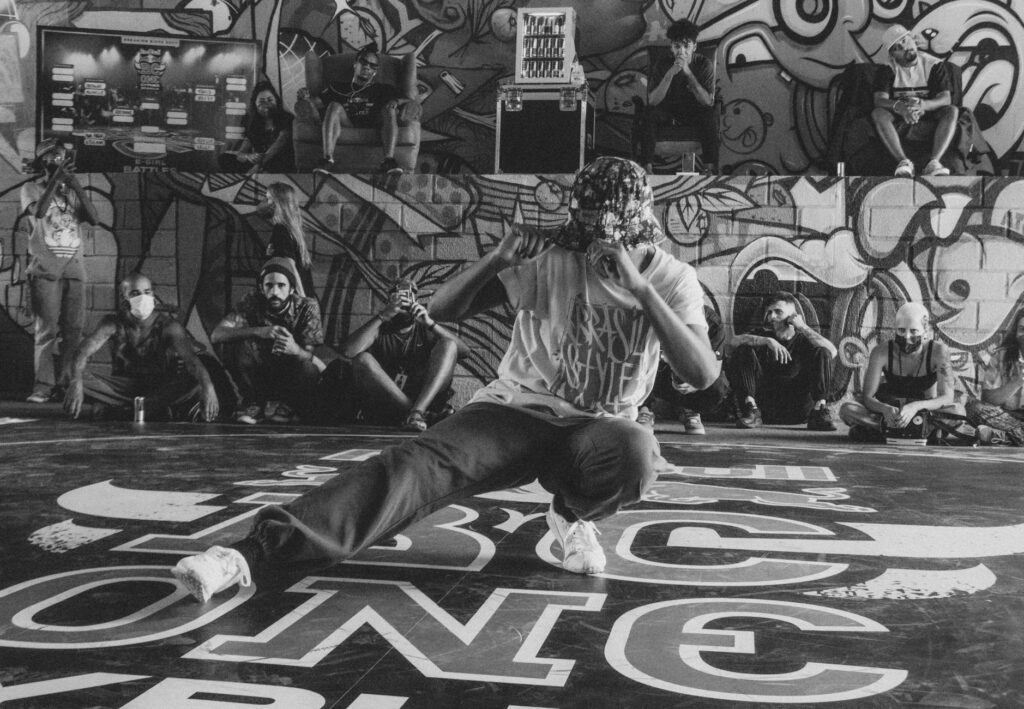
Around Herc’s setup, MCs (Masters of Ceremonies) began to emerge. Initially, they were there to hype the crowd and introduce the DJ, but soon, they developed rhythmic, spoken-word performances over the beats. This was the birth of MCing, or rapping. Simultaneously, graffiti artists like TAKI 183 and Cornbread were transforming subway cars and city walls into canvases, their tags becoming symbols of urban expression. And on the dance floor, B-boys and B-girls (breakdancers) showcased athletic and intricate dance moves, responding to the rhythm of the breakbeats.
Evolution and Expansion: From the Bronx to the World
The early 1980s saw hiphop begin to break into the mainstream consciousness. The Sugarhill Gang’s “Rapper’s Delight” (1979) is often cited as the first commercially successful hiphop single, bringing the sound to a wider audience. This success paved the way for more artists to record and release music. Groups like Grandmaster Flash and the Furious Five, with their seminal track “The Message” (1982), began to infuse hiphop with potent social commentary, addressing issues of poverty, racism, and urban struggle. According to the Smithsonian Magazine (2021), “The Message” marked a significant shift towards lyrical substance and political awareness within the genre.
Technological advancements also played a crucial role. The advent of sampling technology, particularly the E-mu SP-1200 sampler, allowed producers to create complex beats by layering snippets of existing songs. This technique, while sometimes controversial, became an art form in itself, enabling producers like Marley Marl and Pete Rock to craft distinctive sonic palettes. Brands like E-mu Systems, the manufacturer of these iconic samplers, became integral to the sound of hiphop production.
Hiphop’s Influence on Fashion and Visual Culture
The aesthetic of hiphop has always been as distinctive as its sound. Early pioneers sported tracksuits, gold chains, and sneakers like the Adidas Superstar. As the genre grew, so did its fashion influence. The late 1980s and 1990s saw the rise of baggy jeans, oversized t-shirts, sportswear brands like Nike and Champion, and the ubiquitous baseball caps. Brands like Cross Colours and FUBU (For Us, By Us) emerged directly from the culture, creating clothing that resonated with authenticity and community.
Graffiti art, one of the original four elements, also evolved. What started as tagging transformed into intricate murals and elaborate pieces, influencing graphic design, advertising, and fine art. Artists like Jean-Michel Basquiat, who began his career as part of the graffiti duo SAMO©, transitioned into the fine art world, achieving international acclaim and demonstrating the artistic legitimacy of street art. His work, often exploring themes of race, class, and consumerism, remains highly influential.
Thematic Depth: Social Commentary and Storytelling
A defining characteristic of hiphop is its capacity for storytelling and social commentary. From its inception, artists have used their lyrics to paint vivid pictures of their lives, their communities, and the systemic issues they face. Public Enemy’s confrontational lyrics and political activism, N.W.A’s unflinching portrayal of life in Compton, and Kendrick Lamar’s complex narratives about identity and societal ills all exemplify hiphop’s role as a powerful voice for social change.
According to Pew Research Center data from 2020, hiphop remains the most popular music genre among young Americans, a testament to its continued relevance and ability to connect with contemporary audiences. The genre’s lyrical content often reflects the realities of urban life, offering insights into issues such as inequality, police brutality, and resilience. This raw honesty is a key reason for its enduring appeal.
Practical Applications: How to Engage with Hiphop Culture
Engaging with hiphop culture offers rich opportunities for learning and inspiration. Here are some practical ways to connect:
- Explore the Archives: Start with foundational artists. Listen to albums like Grandmaster Flash and the Furious Five’s “The Message,” Public Enemy’s “It Takes a Nation of Millions to Hold Us Back,” and A Tribe Called Quest’s “The Low End Theory.” These offer historical context and lyrical mastery.
- Study the Elements: Watch documentaries about DJing (e.g., “Scratch”), breakdancing (e.g., “Style Wars”), and graffiti art. Understanding the artistry and dedication behind each element provides a deeper appreciation.
- Follow Contemporary Voices: Keep up with current artists who are pushing boundaries, such as Little Simz, J. Cole, or Rapsody. They continue the tradition of lyrical prowess and social commentary.
- Engage with Fashion and Art: Explore hiphop-inspired fashion brands and contemporary artists who draw from the culture. Visit galleries or online platforms showcasing hiphop-influenced visual art.
- Attend Live Events: If possible, experience hiphop live. Whether it’s a rap battle, a DJ set, a breakdancing competition, or a concert, live events offer an unparalleled connection to the culture’s energy.
Hiphop’s Lasting Legacy and Future Trajectory
The impact of hiphop is undeniable. It has democratized music production, fostered a global community, and provided a platform for voices that might otherwise have been silenced. Its influence can be seen in countless other musical genres and cultural expressions. The Encyclopædia Britannica (2024) notes its global reach and its transformation from a marginalized subculture to a dominant force in popular culture.
The future of hiphop appears as dynamic as its past. With the rise of digital platforms and new technologies, artists continue to innovate in sound, style, and distribution. The culture’s ability to adapt, reflect societal changes, and provide a powerful outlet for expression ensures its continued relevance. From its humble beginnings in the Bronx to its status as a global cultural touchstone, hiphop remains a testament to the power of creativity, resilience, and authentic voice.
Frequently Asked Questions
What are the four original elements of hiphop?
The four original elements of hiphop culture are DJing (turntablism), MCing (rapping), graffiti art (writing), and breakdancing (B-boying/B-girling). These elements emerged organically from the block parties and urban environment of the South Bronx in the early 1970s.
When and where did hiphop originate?
Hiphop originated in the South Bronx, New York City, during the early to mid-1970s. The culture is widely recognized as having begun at block parties hosted by figures like DJ Kool Herc around 1973, notably at 1520 Sedgwick Avenue.
How has hiphop influenced fashion?
Hiphop has profoundly influenced fashion by popularizing sportswear brands, baggy silhouettes, statement jewelry, sneakers, and specific hairstyles. Brands like Nike, Adidas, and Champion saw massive surges in popularity due to their adoption by hiphop artists and fans.
Is hiphop still relevant today?
Yes, hiphop remains highly relevant today. it’s the most popular music genre among young adults in the United States, according to Pew Research, and its influence continues to spread globally across music, fashion, art, and language.
What is the role of social commentary in hiphop?
Social commentary has always been a vital aspect of hiphop, serving as a voice for marginalized communities. Artists use their lyrics to address issues of inequality, injustice, poverty, and political concerns, reflecting and often challenging the social and political realities of their time.
Embrace the Rhythmic Narrative
Hiphop’s journey from the streets of New York to global dominance is a powerful narrative of innovation, resilience, and artistic expression. Its impact resonates through music, fashion, art, and social discourse, offering a continuous source of inspiration and critical commentary. By understanding its origins and appreciating its diverse elements, you can gain a deeper insight into one of the most influential cultural movements of the past half-century. Continue exploring its rich history and vibrant present.
Related read: Hi Hat: Drumming's Crucial Rhythm Keeper