
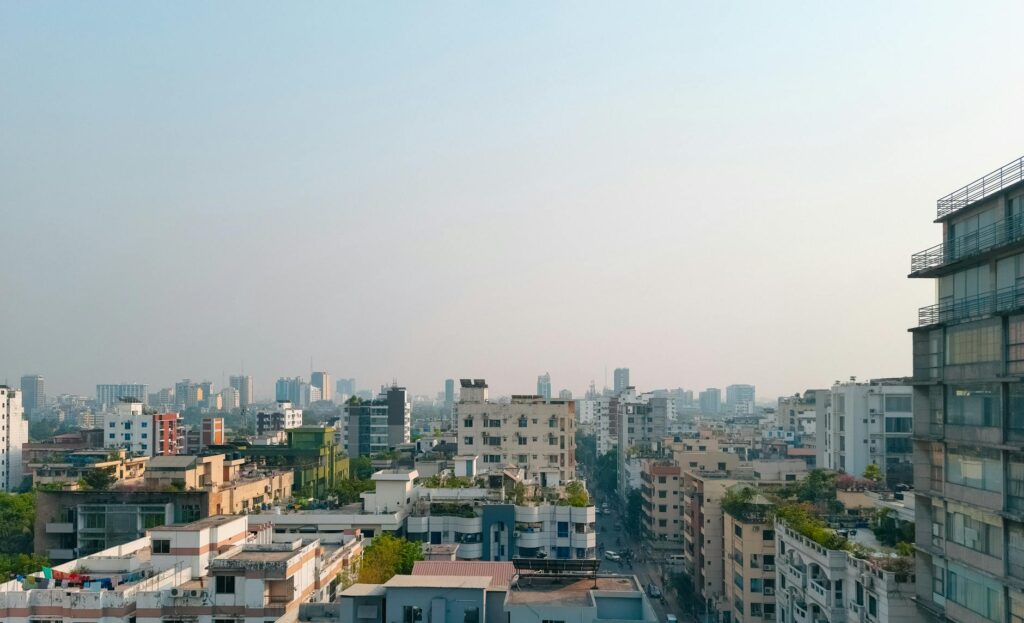
Dhaka Asia: A Growing Economic Powerhouse
Dhaka Asia, the sprawling capital of Bangladesh, is far more than just a densely populated metropolis. it’s a vibrant, rapidly evolving economic engine for South Asia. With a population estimated to be over 23 million in its greater metropolitan area, Dhaka presents a unique blend of immense potential and significant challenges. Businesses and investors looking to tap into this dynamic region must first understand its core economic drivers, infrastructure, and the strategic initiatives shaping its future. This article aims to provide a clear-eyed perspective on the economic world of Dhaka Asia, offering practical insights for those seeking to engage with its burgeoning market.
Last updated: April 22, 2026
Dhaka Asia serves as Bangladesh’s primary economic, political, and cultural center, contributing to the nation’s GDP. Its strategic location in South Asia makes it a key player in regional trade and development. nuances of its economic structure is Key for anyone considering investment or business expansion in the area.
What are the primary economic sectors driving this topic?
The economy of this approach is driven by several key sectors, with the ready-made garment (RMG) industry standing out as a major contributor to exports. According to the Bangladesh Knitwear Manufacturers and Exporters Association (BKMEA) (2023), the RMG sector consistently accounts for a substantial portion of Bangladesh’s total export earnings. Beyond garments, other significant sectors include manufacturing (pharmaceuticals, jute products, leather goods), services (telecommunications, banking, IT), and a growing informal sector that supports a large segment of the population. The expansion of the service sector, especially in IT and digital services, is a notable trend, positioning Dhaka as a potential hub for tech innovation in the region.
How is infrastructure development shaping Dhaka’s economic future?
Infrastructure development is critical to unlocking it’s full economic potential. Significant investments are being made in transportation networks, including the Dhaka Mass Transit Company Limited’s metro rail project — which aims to alleviate traffic congestion and improve connectivity. The Padma Bridge, a monumental feat of engineering, has dramatically improved road connectivity between Dhaka and the southwestern regions, facilitating trade and reducing travel times. Also, ongoing projects in power generation and distribution are essential for supporting industrial growth. The Asian Development Bank (ADB) has been a key partner in funding many of these vital infrastructure upgrades, recognizing their importance for sustainable economic progress (2022). Improved infrastructure directly translates to lower logistics costs and increased efficiency for businesses operating within Dhaka.
What are the opportunities for foreign investment in this?
Foreign direct investment (FDI) is actively courted in the subject, with opportunities spanning various sectors. The government has implemented policies to encourage foreign investment, including tax incentives and simplifyd approval processes through the Bangladesh Investment Development Authority (BIDA). Key sectors attracting FDI include textiles and garments, pharmaceuticals, light engineering, and increasingly, the technology and renewable energy sectors. The large domestic market, coupled with preferential access to certain international markets (like the European Union), makes Dhaka an attractive base for export-oriented manufacturing. For instance, companies like H&M and Zara source a significant portion of their apparel from Bangladesh, highlighting the sector’s global reach. Understanding BIDA’s current investment guidelines is a practical first step for potential investors.
Challenges Facing Dhaka’s Economic Growth
Despite its progress, this topic faces considerable challenges. Urban congestion is a major impediment, impacting productivity and quality of life. Air pollution is another serious concern, with Dhaka frequently ranking among the world’s most polluted cities, according to the World Health Organization (WHO). Access to reliable utilities, bureaucratic hurdles, and the need for skilled labor development are also significant factors that businesses must navigate. Addressing these issues requires sustained government effort, private sector collaboration, and international support. The World Bank has consistently highlighted the need for reforms to improve the ease of doing business and enhance urban governance (2023).
Strategies for Business Success in this approach
For businesses aiming for success in it, a strategic approach is vital. Firstly, thorough market research is indispensable. Understanding local consumer behavior, regulatory frameworks, and competitive landscapes is Key. Partnering with local entities can provide invaluable insights and facilitate market entry. Secondly, investing in local talent and training programs can help bridge skill gaps and build a dedicated workforce. Companies like Grameenphone, a major telecommunications provider, have demonstrated the success of investing in local human capital and adapting services to the Bangladeshi market. Thirdly, adopting sustainable and environmentally conscious practices is increasingly important, not only for regulatory compliance but also for building brand reputation. Finally, staying abreast of technological advancements and digitalization trends can unlock new efficiencies and market reach.
The Role of Digitalization and Innovation
Digitalization is rapidly transforming the economic world of this. The proliferation of mobile internet and the growth of e-commerce platforms are creating new avenues for businesses to reach consumers. Fintech solutions are also gaining traction, offering easier access to financial services for both individuals and SMEs. Startups focusing on areas like ed-tech, health-tech, and logistics are emerging, signaling a growing innovation ecosystem. Initiatives like Startup Bangladesh Limited, a government-backed venture capital fund, aim to nurture this burgeoning startup scene. Embracing digital transformation is no longer optional but a necessity for competitiveness in Dhaka’s evolving market.
Frequently Asked Questions
what’s the primary export product of the subject?
The primary export product driving the economy of this topic is ready-made garments (RMG). This sector has consistently been the largest contributor to Bangladesh’s foreign exchange earnings, making it the backbone of the country’s export economy.
How does Dhaka’s infrastructure compare to other Asian capitals?
Dhaka’s infrastructure is rapidly developing but generally lags behind more established Asian economic hubs like Singapore or Seoul. While major projects like the metro rail and Padma Bridge represent significant progress, challenges in public transport, utilities, and urban planning persist, though improvements are evident year-on-year.
Is this approach a safe place for foreign investment?
it offers significant opportunities for foreign investment, supported by government incentives and a large market. However, investors must carefully assess risks related to infrastructure, bureaucracy, and political stability, as advised by entities like the U.S. Department of State which provides country-specific information for travelers and businesses.
What are the main challenges for businesses operating in this?
Key challenges for businesses include severe traffic congestion, potential utility disruptions, bureaucratic complexities, and the need for specialized skill development. Environmental concerns, such as air and water pollution, also present operational and reputational risks.
How is the government promoting economic growth in the subject?
The government is promoting economic growth through infrastructure development (metro rail, bridges), attracting FDI via BIDA, supporting the RMG sector, and building innovation through initiatives like Startup Bangladesh. Policies focus on improving the business environment and expanding export markets.
Conclusion
this topic stands as a testament to resilience and ambition, a critical economic hub within South Asia poised for further growth. While challenges related to infrastructure, urbanization, and environmental sustainability are substantial, the opportunities presented by its burgeoning industries, strategic location, and a dynamic, young population are undeniable. For businesses and investors, a deep understanding of the local context, coupled with strategic planning and a commitment to sustainable practices, will be key to navigating this complex yet rewarding market. Engaging with Dhaka Asia requires patience, adaptability, and a long-term perspective, but the potential rewards are significant for those who approach it with informed intentions.
Editorial Note: This article was researched and written by the Higher Intentions editorial team. We fact-check our content and update it regularly. For questions or corrections, contact us.