
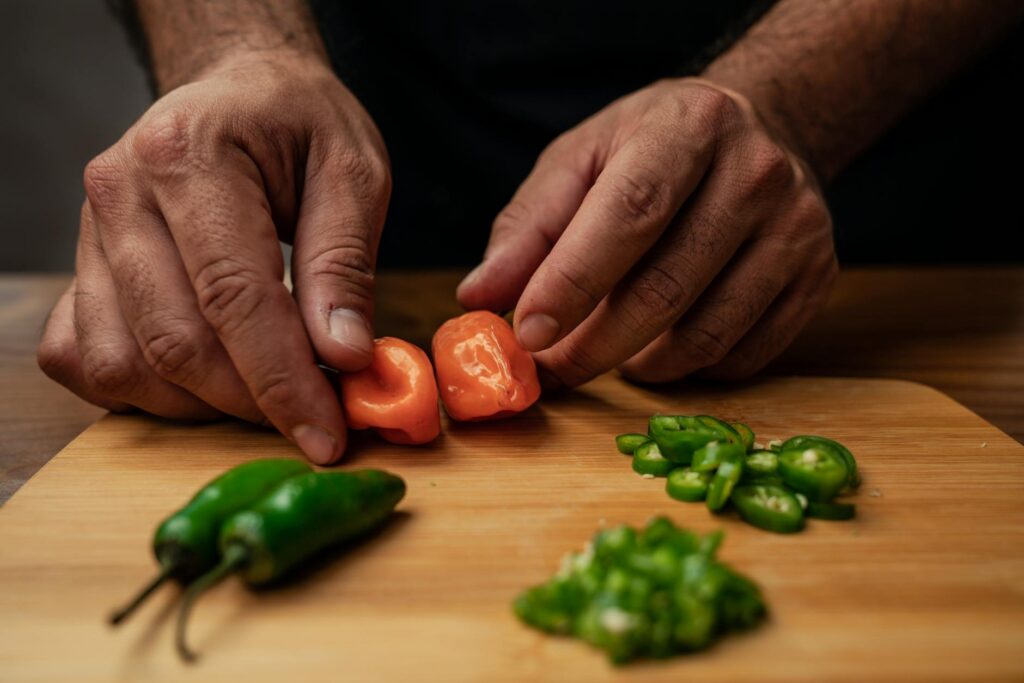
Ghost Pepper’s Fiery Reputation: Beyond the Numbers
This guide covers everything about scoville heat scale ghost pepper. The ghost pepper, scientifically known as Bhut Jolokia, isn’t just another spicy pepper. it’s a legend in the chili pepper world. Its name alone conjures images of extreme heat, and for good reason. This formidable chili pepper, originating from Northeast India, cemented its place in culinary lore by shattering previous heat records. Before its reign, peppers like the Habanero were considered the peak of heat for many. Then, the ghost pepper arrived, pushing the boundaries of what most people considered edible. Its introduction to the global stage altered perceptions of extreme spice, making the scoville heat scale ghost pepper a topic of fascination for chiliheads and the merely curious alike.
Last updated: April 22, 2026
What exactly makes the ghost pepper so intensely hot? It’s all about capsaicin, the chemical compound responsible for the burning sensation. The concentration of capsaicin in a pepper determines its place on the Scoville scale. The ghost pepper boasts a staggering average of 1,041,430 Scoville Heat Units (SHU), a figure that dwarfs many other common peppers.
what’s the Scoville Heat Scale?
The Scoville scale is the standard measurement for the pungency of chili peppers. It quantifies the heat level based on the concentration of capsaicinoids, primarily capsaicin. Developed by American pharmacist Wilbur Scoville in 1912, the original method involved diluting pepper extract in sugar water until a panel of tasters could no longer detect any heat. The number of dilutions required represented the pepper’s SHU. While modern labs use High-Performance Liquid Chromatography (HPLC) for more precise measurements, the scale and its units remain the same. According to the United States Department of Agriculture (USDA) (undated, publication date not specified), the ghost pepper’s high SHU is due to its exceptional capsaicin content.
How Hot is the Ghost Pepper on the Scoville Scale?
The ghost pepper, or Bhut Jolokia, typically registers between 850,000 and 1,041,430 Scoville Heat Units (SHU). This places it firmly in the super-hot category. For context, a jalapeño pepper ranges from 2,500 to 8,000 SHU, and a habanero clocks in between 100,000 and 350,000 SHU. The ghost pepper’s heat isn’t just a fleeting burn. it’s a deep, lingering intensity that can last for several minutes. This makes it a significant step up from even the hottest commonly available peppers for most consumers.
Ghost Pepper vs. Other Super-Hot Peppers
The ghost pepper was once the undisputed king of heat, holding the Guinness World Record for the hottest chili pepper in 2007. However, the world of chili peppers is one of constant innovation and breeding. Today, peppers like the Carolina Reaper (averaging around 1.5 million SHU) and Pepper X (reportedly exceeding 3 million SHU, though not officially recognized by Guinness as of early 2024) have surpassed the ghost pepper in sheer heat. Despite being surpassed, the ghost pepper remains a benchmark and a popular choice for those seeking extreme heat with a unique flavor profile.
| Pepper | Average SHU |
|---|---|
| Jalapeño | 4,000 – 8,500 |
| Cayenne | 30,000 – 50,000 |
| Habanero | 100,000 – 350,000 |
| Ghost Pepper (Bhut Jolokia) | 850,000 – 1,041,430 |
| Carolina Reaper | 1,500,000 – 2,200,000 |
Cultivating and Handling Ghost Peppers Safely
Growing your own ghost peppers can be a rewarding experience, but it requires care. These plants thrive in warm climates and need plenty of sunlight. When handling the peppers, especially when harvesting or processing them, it’s Key to take precautions. The oils can cause severe irritation to the skin and eyes. Wearing gloves is non-negotiable. Some growers even recommend eye protection and a mask when working with large quantities or processing them into powders or sauces. According to experienced growers and horticultural sites like The Royal Horticultural Society (RHS) (undated), proper ventilation is also key during processing to avoid inhaling capsaicin particles.
If you come into contact with ghost pepper oils, wash the affected area immediately with soap and cold water. Milk or yogurt can help soothe the burning sensation on the skin, as the fat content helps to break down capsaicin. Never rub your eyes after handling peppers, as this can lead to intense pain and temporary vision impairment. Remember, these aren’t peppers to be trifled with. their potency demands respect.
Culinary Uses and Considerations
Due to their extreme heat, ghost peppers are rarely eaten whole. Instead, they’re typically used in small quantities to add intense heat and a unique fruity flavor to dishes. they’re a popular ingredient in super-hot sauces, marinades, and spice blends. When cooking with ghost peppers, start with a tiny amount—a sliver of a pepper or a small amount of sauce—and taste as you go. It’s much easier to add more heat than to take it away.
“A little goes a long way” is an understatement when discussing the ghost pepper. Its heat is legendary, demanding careful integration into any dish.
For those looking to experiment, consider infusing oils or vinegars with a small piece of ghost pepper for a potent spicy liquid. You can also dry them and grind them into a powder — which is easier to measure and control. However, even a small pinch of ghost pepper powder can increase the heat of a meal. Many commercial hot sauces, like those from brands such as Blair’s Death Sauce, feature ghost peppers as a primary ingredient for those seeking extreme heat.
Understanding Your Heat Tolerance
Before diving into the world of ghost peppers, it’s essential to understand your personal heat tolerance. What one person finds intensely spicy, another might tolerate with ease. Gradually increasing your exposure to spicier foods is the best way to build tolerance. Start with peppers in the 50,000-100,000 SHU range and work your way up. Consuming extremely hot peppers without adequate preparation can lead to digestive distress, including stomach pain, nausea, and vomiting. Medical professionals often advise caution, and in rare cases, extreme spice consumption has led to medical emergencies. For instance, the BBC reported in November 2023 a case where a man experienced severe stomach pain after participating in a chili-eating contest involving super-hot peppers.
Frequently Asked Questions
what’s the primary compound that makes peppers spicy?
The primary compound responsible for the spicy sensation in peppers is capsaicin, a chemical irritant that triggers pain receptors in the mouth and on the skin.
Is the ghost pepper the hottest pepper in the world?
No, while the ghost pepper was once the hottest, peppers like the Carolina Reaper and others now hold higher positions on the Scoville scale, boasting more Scoville Heat Units.
Can eating ghost peppers be dangerous?
Yes, consuming ghost peppers can be dangerous for individuals with low heat tolerance or pre-existing digestive issues. The extreme capsaicin content can cause severe pain, digestive distress, and in rare cases, medical emergencies.
How should I store ghost peppers?
Fresh ghost peppers can be stored in the refrigerator for about 1-2 weeks. For longer storage, they can be dried, frozen, or pickled. Drying is a popular method for preserving them for later grinding into powder.
what’s the flavor profile of a ghost pepper?
Beyond its intense heat, the ghost pepper is often described as having a fruity, slightly floral flavor with a lingering, slow-building burn that’s distinct from the immediate sharp heat of some other peppers.
Conclusion: Respect the Heat
The scoville heat scale ghost pepper places this chili pepper in a category of extreme heat that demands respect. While it may have been surpassed in raw SHU by newer hybrids, the Bhut Jolokia remains a significant player offering a unique flavor and a formidable challenge. Whether you’re a seasoned chili enthusiast or a curious beginner, approach the ghost pepper with caution, understanding its potency and handling it safely. Start small, respect your limits, and you can appreciate the complex heat and flavor this remarkable pepper offers.
Editorial Note: This article was researched and written by the Higher Intentions editorial team. We fact-check our content and update it regularly. For questions or corrections, contact us.